Jan 27, 2026
Troubleshooting FieldView Connection Issues
Having trouble connecting Climate FieldView? Learn simple troubleshooting steps, resets, and support tips to get your FieldView system running smoothly.
Having trouble connecting Climate FieldView? Learn simple troubleshooting steps, resets, and support tips to get your FieldView system running smoothly.
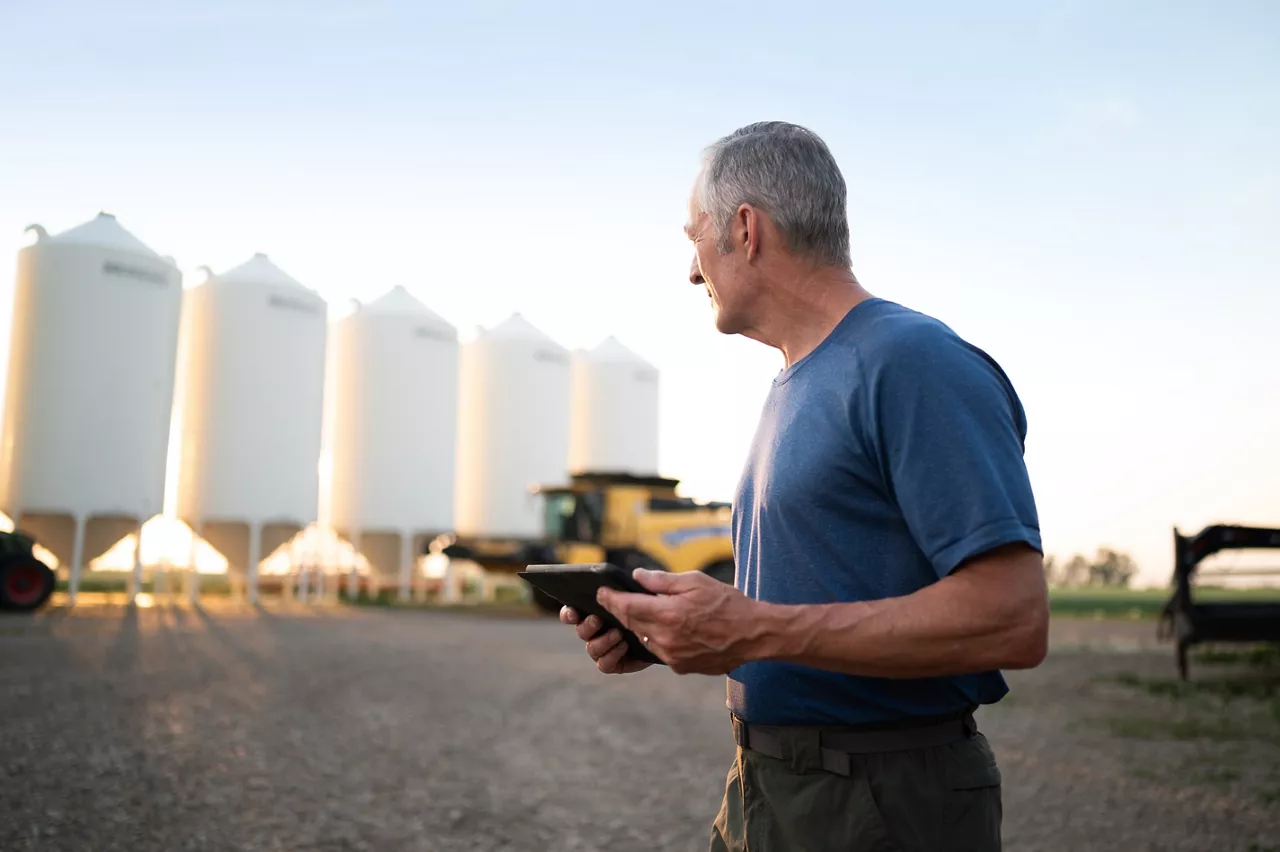
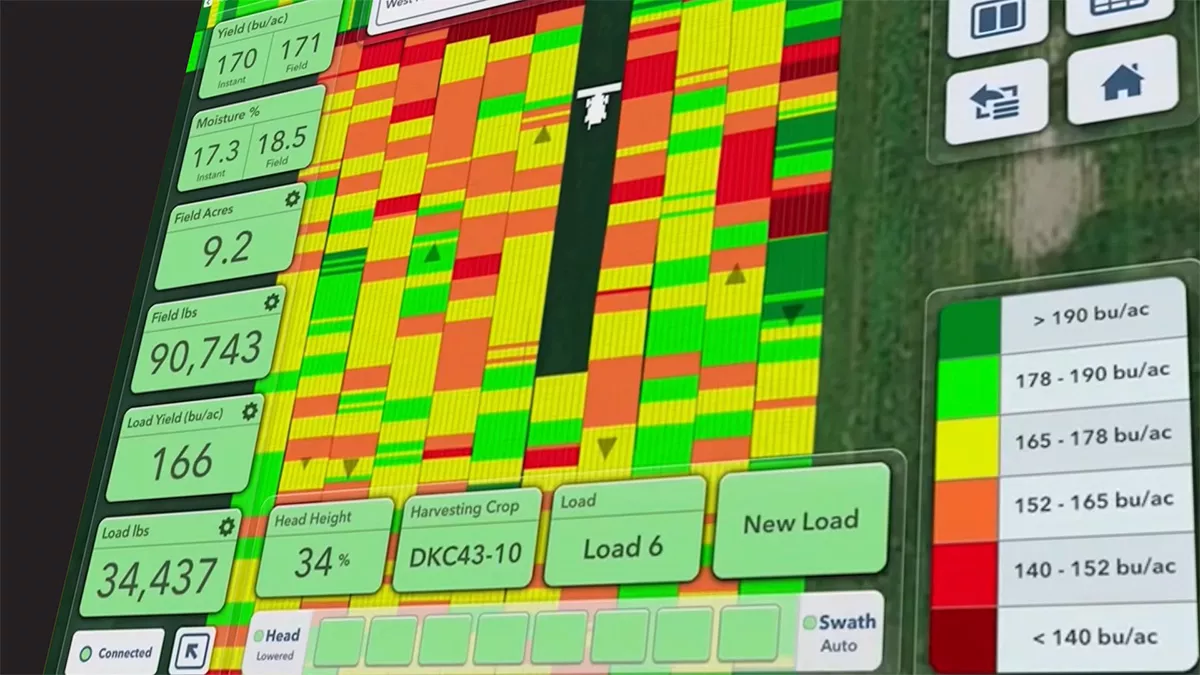
Boost harvest confidence with crop monitoring software, yield mapping software, and farm data analysis for smarter, stress-free decisions.
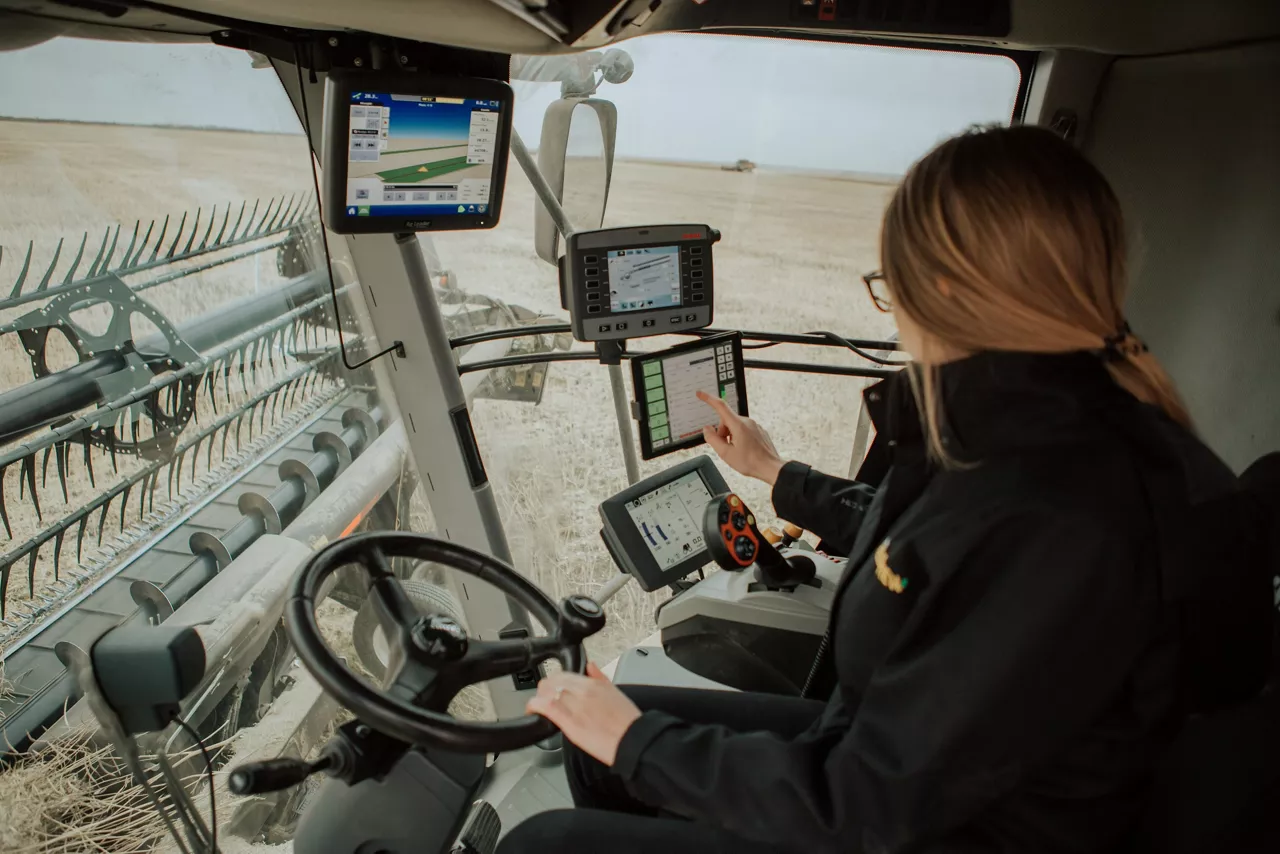
Maximize crop yields with FieldView using crop yield analysis and farm data analytics to make smarter decisions from seeding to harvest.
Learn how to use FieldView’s precision farming software and digital farming tools to map fields, analyze data, and boost yield and profitability.
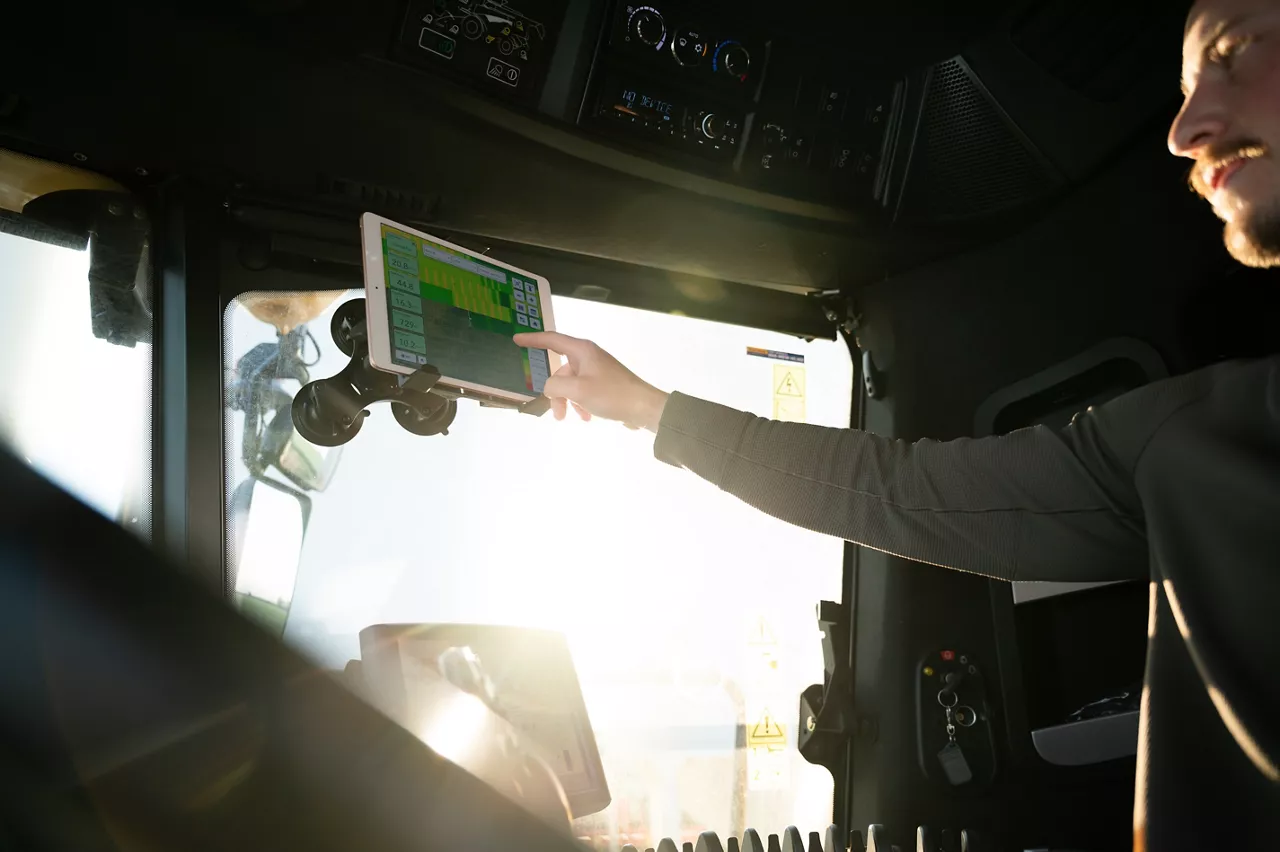
Discover how precision agriculture technology and real-time field data helps prairie farmers boost efficiency.
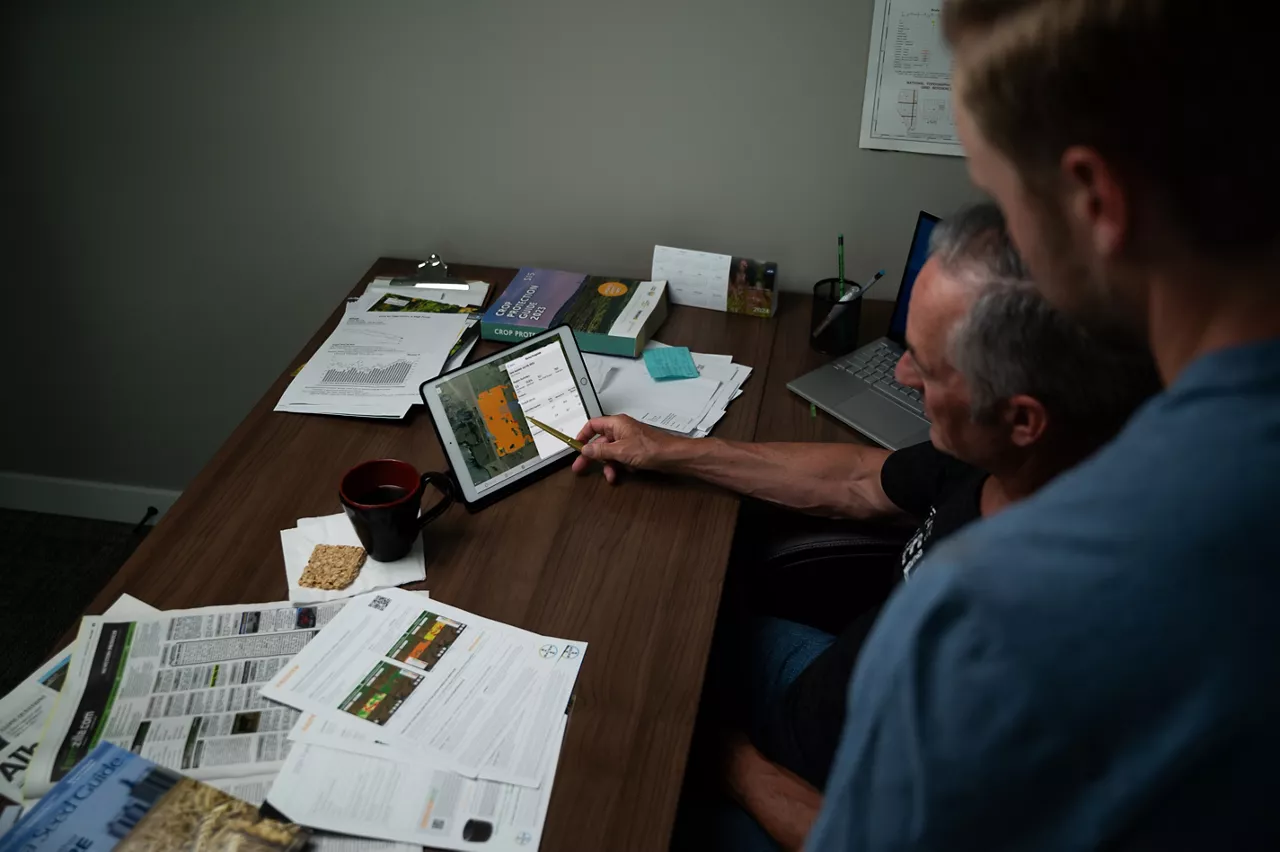
Maximize your farm’s ROI with data-driven farming. Learn how digital tools turn field data into profit.
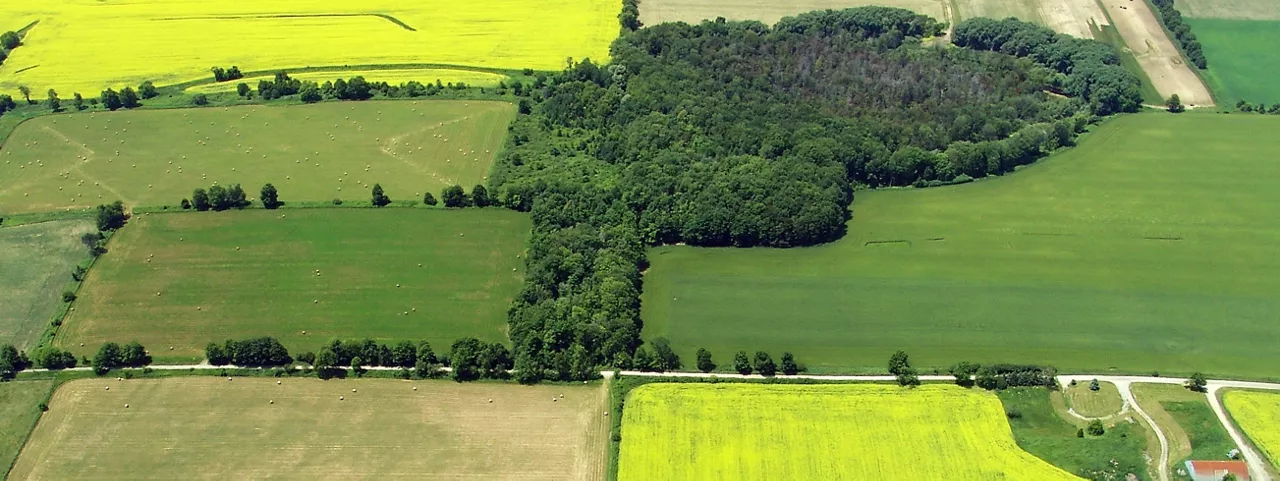
Have you ever wanted an easier way to identify the performance of the products you use on your farm? Have you wondered if a blanket application of a product is a good use of your budget? Thankfully, those answers are much easier to find. Say hello to Field Region Reports by Application, the tool that delivers an even more in-depth look into your performance data.

The FieldView Drive 2.0 can send seed scripts without a thumb drive, has built-in GPS, offers faster data syncing and compatibility with a wider range of equipment.

While farming is a lot of work, Chris and Candice love their connection to the land. They feel a sense of pride that comes with planting and harvesting on their own land. And utilizing a farm management software like FieldViewTM helps the Bauers manage their hard work.
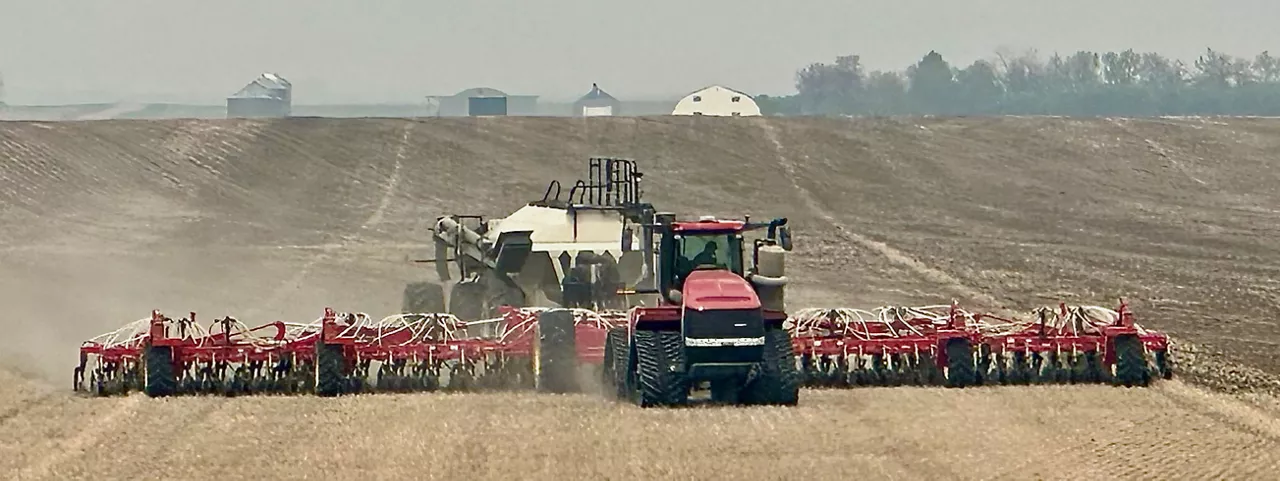
Dave Hewlitt has embraced digital farming tools on his Eston, Saskatchewan area farm for years. Currently in the midst of a string of drought years, Dave has to focus on making every dollar go further. One way he does this is by utilizing digital farming tools like FieldView to collect and use his farm data to help make decisions.
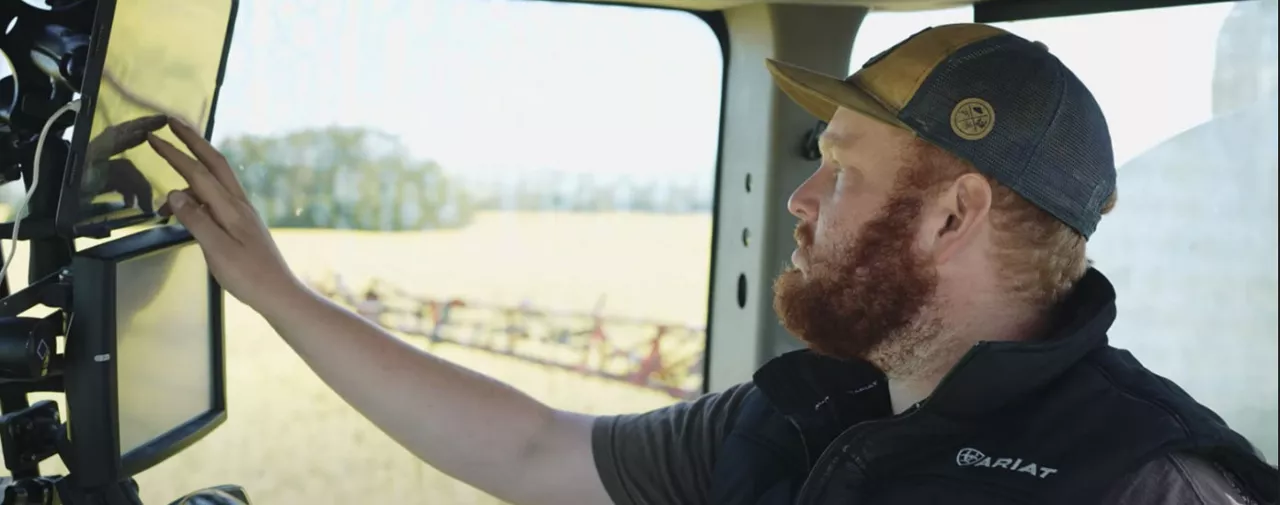
The variability in your field can have you wondering if spraying an entire field with fungicide is necessary. FieldView™ has the answers.
Are the weather and plant disease connected? Very much so. Here are a few overlooked factors that could silently be impacting the presence of disease in your fields.
A sneak peek into the year ahead.
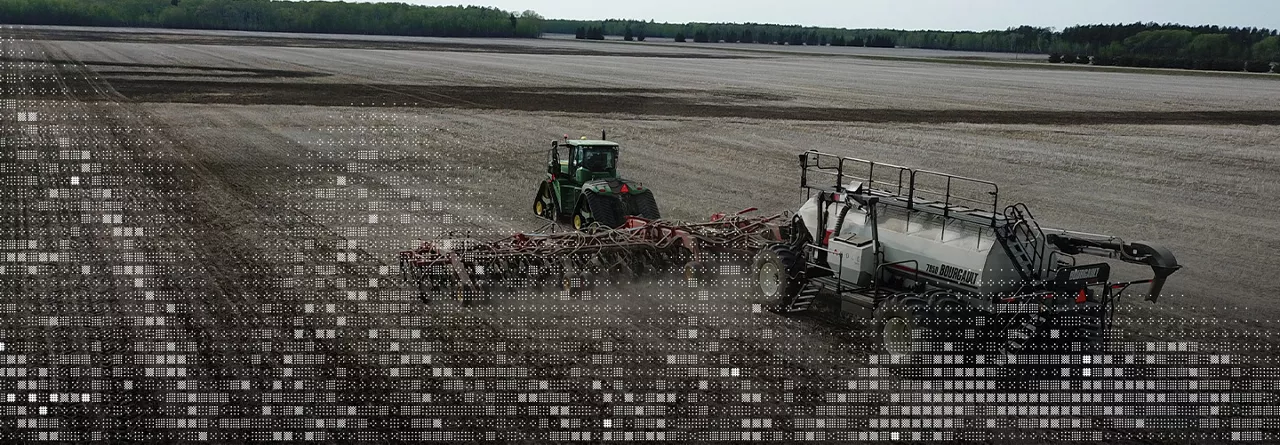
Ensure a smooth start to the season and maximize results from start to finish. Better data, better decisions, better outcomes — it all starts here.
Advances in digital farming continue to expand the toolbox of options to help you maximize your return on every acre. Fertility scripting with Climate FieldViewTM provides simple, easy-to-use editing tools to create variable rate fertility prescriptions in as little as three minutes.
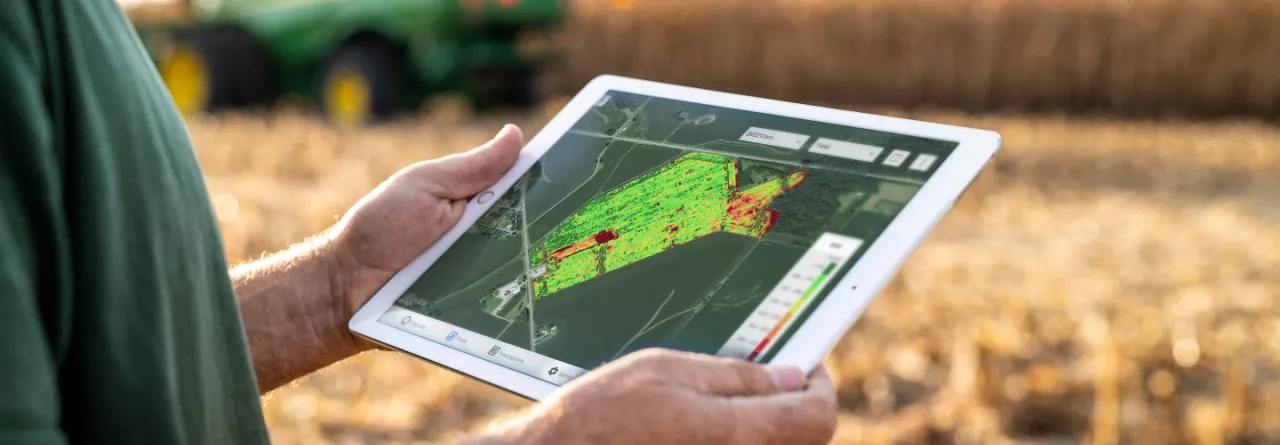
Ever wondered how FieldView™ can improve your farming? There are a few easy steps you can take to maintain and optimize your data and take your farming to the next level.

As digital farming technology advances, more and more farmers are adopting a digital platform into their operations. Every farm is different so it’s important to have a clear idea of what your farm needs when it comes to using a digital platform.
Every good plan starts with a checklist. Here are some to-dos we recommend checking off for a productive planning season.
To help you stay on top of field and crop conditions that can make your hard work pay off, we’ve compiled a list of five ways FieldView can help focus your efforts throughout the season. And hey, if these tips save you a bit of time in the field so you can spend more time relaxing with friends and family, all the better.
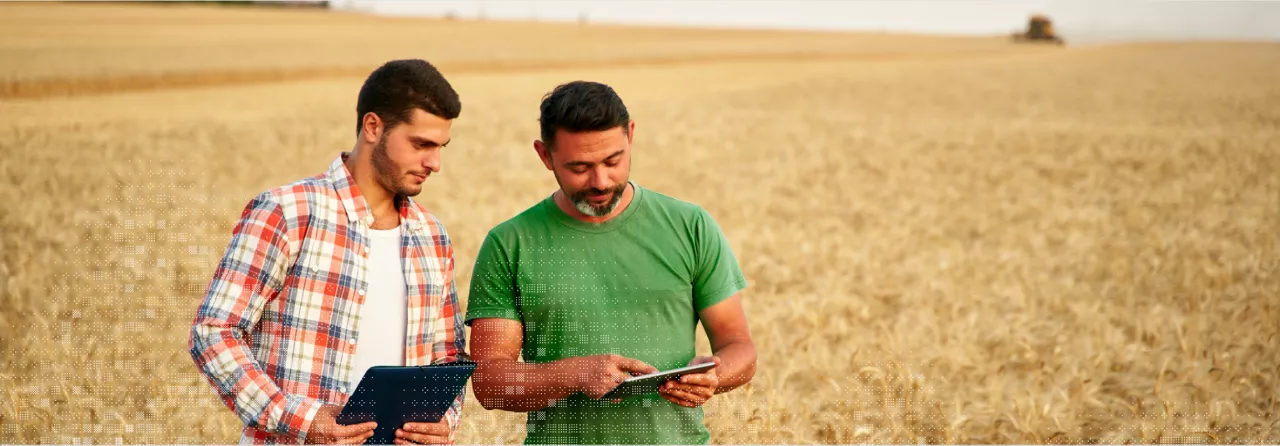
A big advantage of collecting harvest data with FieldView is the seamless sharing of data between farmers and agronomic partners. With sharing options, you can both see information in real time as it is collected, and access it anywhere.
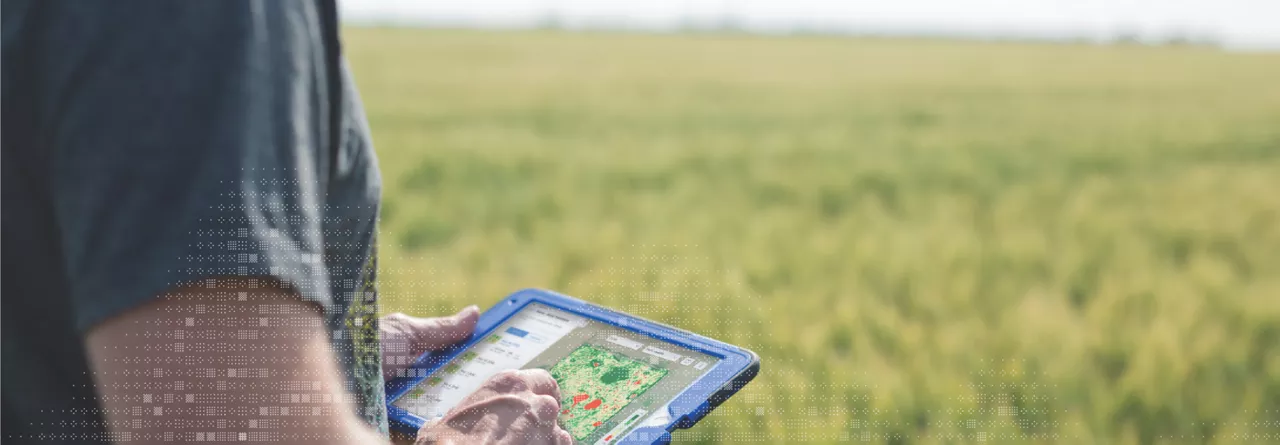
One of the most effective ways to get the best return on every acre is to take full advantage of FieldView’s Field Health Imagery and scouting tools. These features give you more power to see, understand and manage what’s going on in your fields anytime, anywhere — all with the touch of a screen.
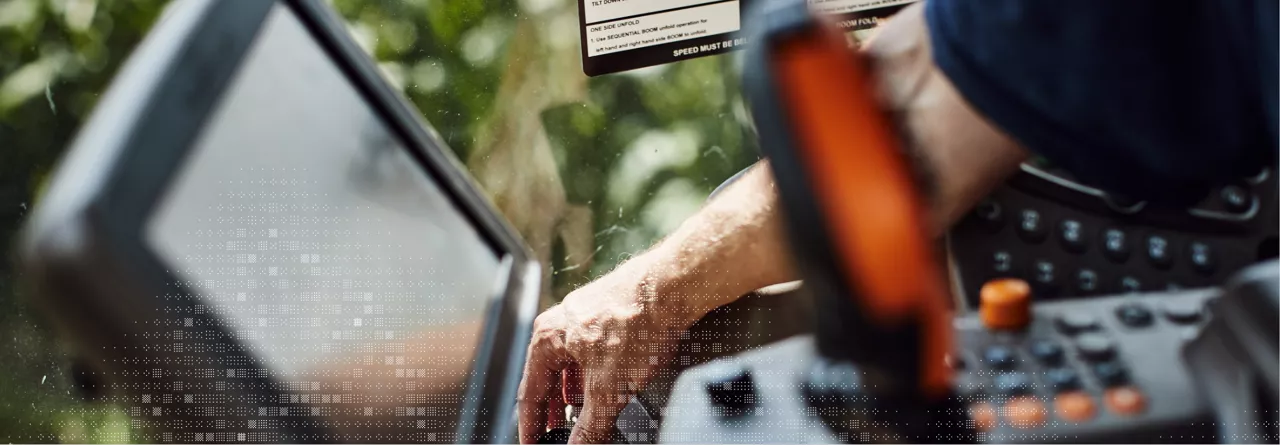
FieldView is an industry leader in digital farming including compatibility with third-party systems, and FarmTRX is rapidly gaining momentum as the aftermarket yield monitor of choice for any combine.
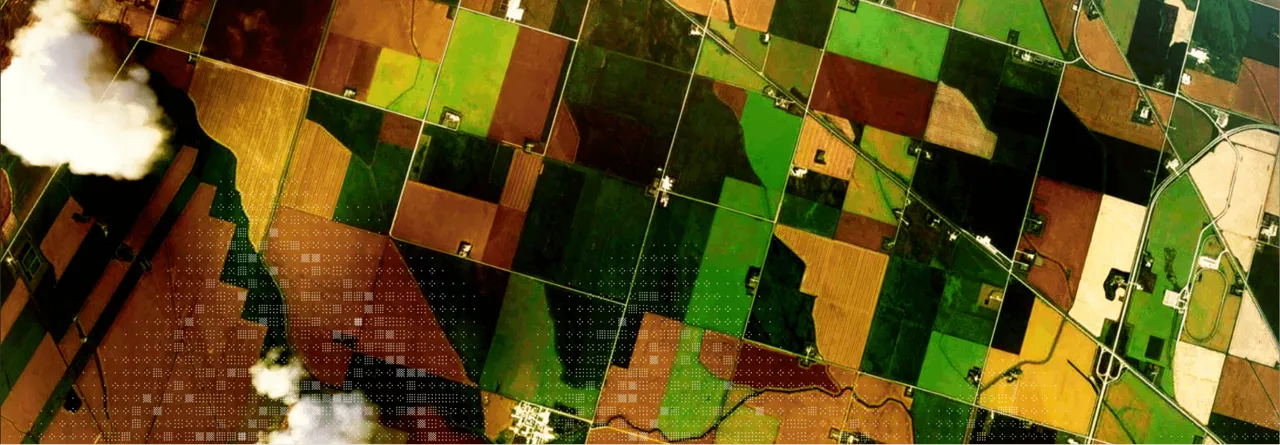
With more farmers adopting FieldView and taking advantage of its fungicide scripting feature, we’re seeing some big gains in efficiency and performance across Canada.
Top digital farming platforms — Climate FieldView and Croptimistic — work well together to generate powerful synergies that bring tremendous added value to your farm.
The RemoteView feature of FieldView brings enhanced access and versatility to your set-up. It puts you and your team in the driver’s seat, from anywhere, unlocking new opportunities to boost monitoring, efficiency and results.
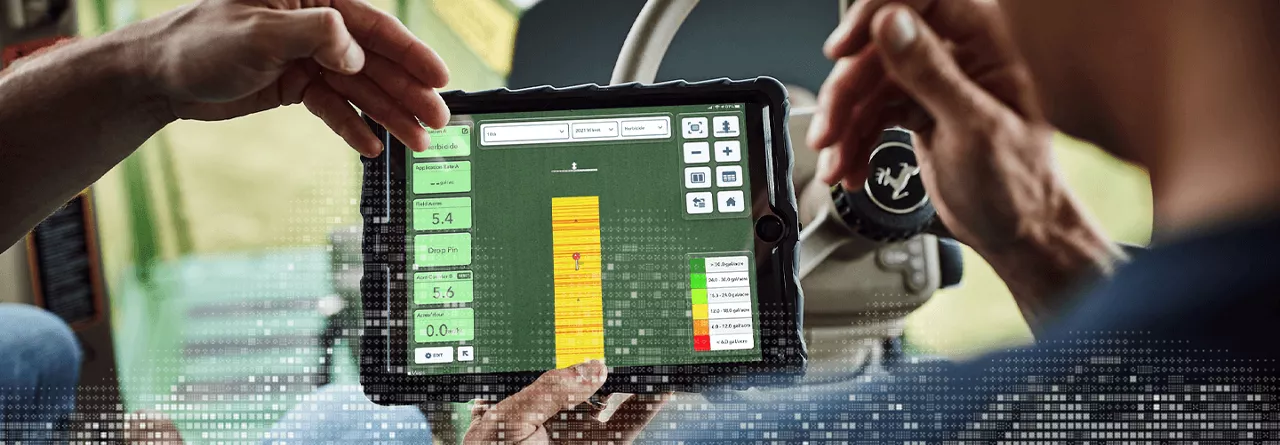
One of the best ways to maximize your value is to take advantage of in-field, equipment-based data collection and mapping applications.
FieldView is the most connected platform in the industry — backed by a large team dedicated to making it work seamlessly with the agronomic software and equipment of industry partners.
FieldView offers capability to share information with your team members, both on the farm and off site. For example, a farmer can share data and coordinates strategy with their equipment dealer, agronomist and Bayer representative.

The best farming innovations today are all about working smarter, not harder. This is the case with the Seed Scripts feature in Climate FieldView™ — an easy-to-use tool that addresses field variability to make sure your seeding decisions are optimized for the best results possible.
Climate FieldView’s fertility scripting feature provides simple, easy-to-use editing tools to create variable rate fertility prescriptions. It reduces the time spent writing scripts, improves the planning experience and helps to optimize fertility usage across multiple fields.

Announced this past November, a ground-breaking partnership will combine the agronomic knowhow of Bayer, with the computing capabilities of Azure, Microsoft’s suite of cloud-based digital tools and data science solutions. The goal? To accelerate farming innovation and optimize all the ways we convert natural resources into food, feed, fuel and fiber.
On-farm field trials are the key to harnessing the full potential of your fields to prepare for current and future growing seasons. Rather than spending endless time and effort placing flags and hand-scrawling notes just to see how two potential field scenarios stack up against one another, Climate FieldView’s on-farming testing is incredibly simple and easy to use.
To celebrate the year that was, we thought we’d do something a little different. Rather than a single interview, we’ve compiled clips from all the Cab Chats we’ve hosted in 2021.
It’s time for the second installment in our ongoing series of conversations with Canadian Agronomists to find out how they’re using Climate FieldView™ to make the most of their client’s data so they can make the most of their operation.
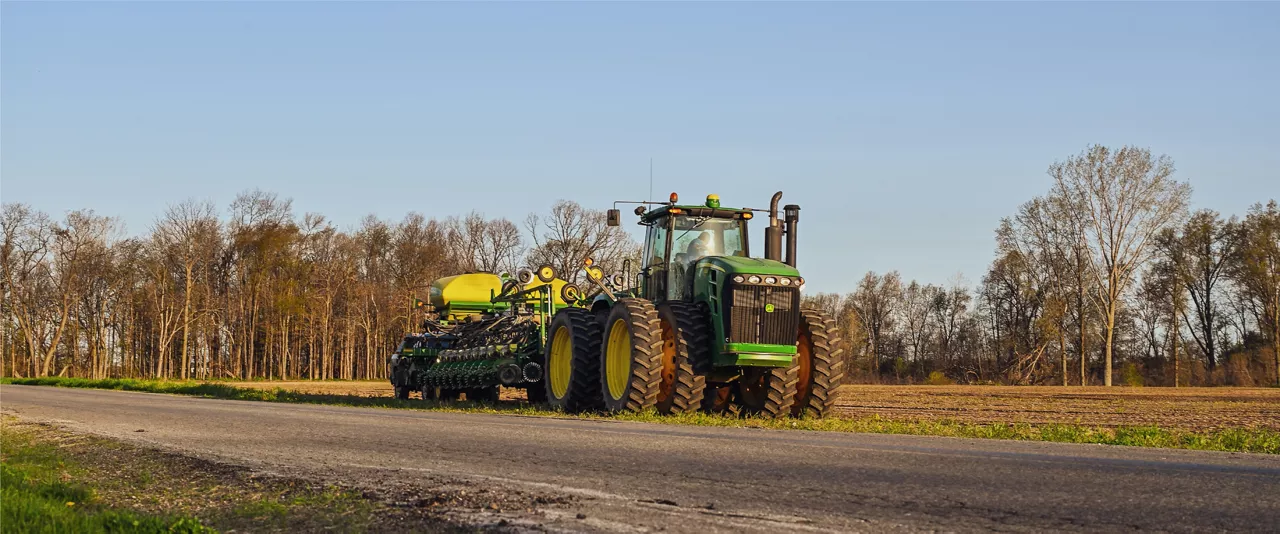
Welcome back for another episode of Cab Chats — episode 8! This time around we’re checking in from la Belle Province, Quebec. Climate FieldView Digital Integration Specialist Melissa Duncan met with Jacob St-Onge, Operator at Ferme Thivierge et Frères in the town of Wickham, and Karl Beauchemin-Pratte, an Agronomic Advisor from Upton
As part of our Q and A: Questions and Agronomists series, we spoke with Ludovic Bossel of Groupe Ducharme, a company located in Centre-du-Québec region that works with many growers in the area and the surroundings.
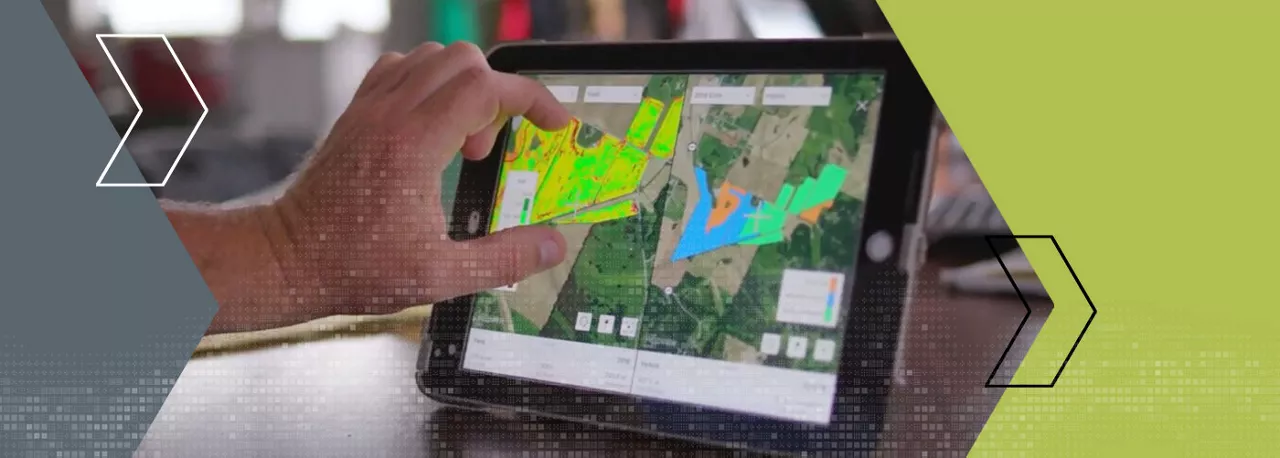
Field trials are an incredibly valuable tool to help farmers learn which inputs perform best and seed grows best in their unique soil and atmospheric conditions. Once you’ve completed the trials however, how can you be sure you’re putting all the data you’ve collected to work, in order to maximize returns on all of your hard work? We’ve got 5 big ideas.
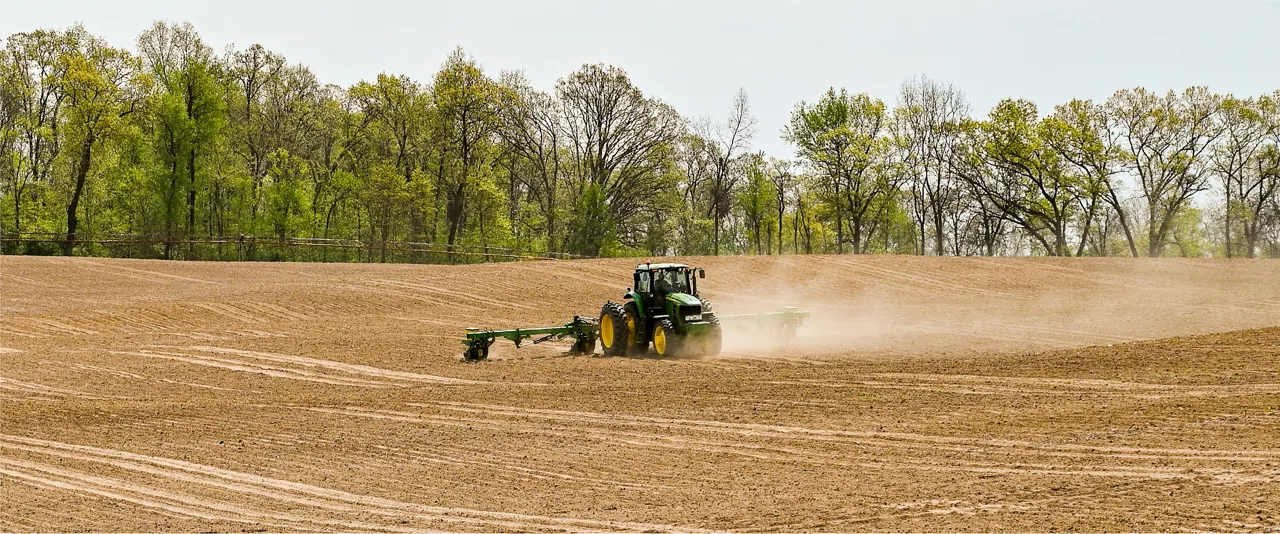
In this edition, Digital Integration Specialist, Leanne Freitag connected with farmer Jesse Driedger from Essex County, Ontario, to discuss the upcoming harvest, how FieldView is helping make smoother conversations between input suppliers and crop associates, and whole a lot more.
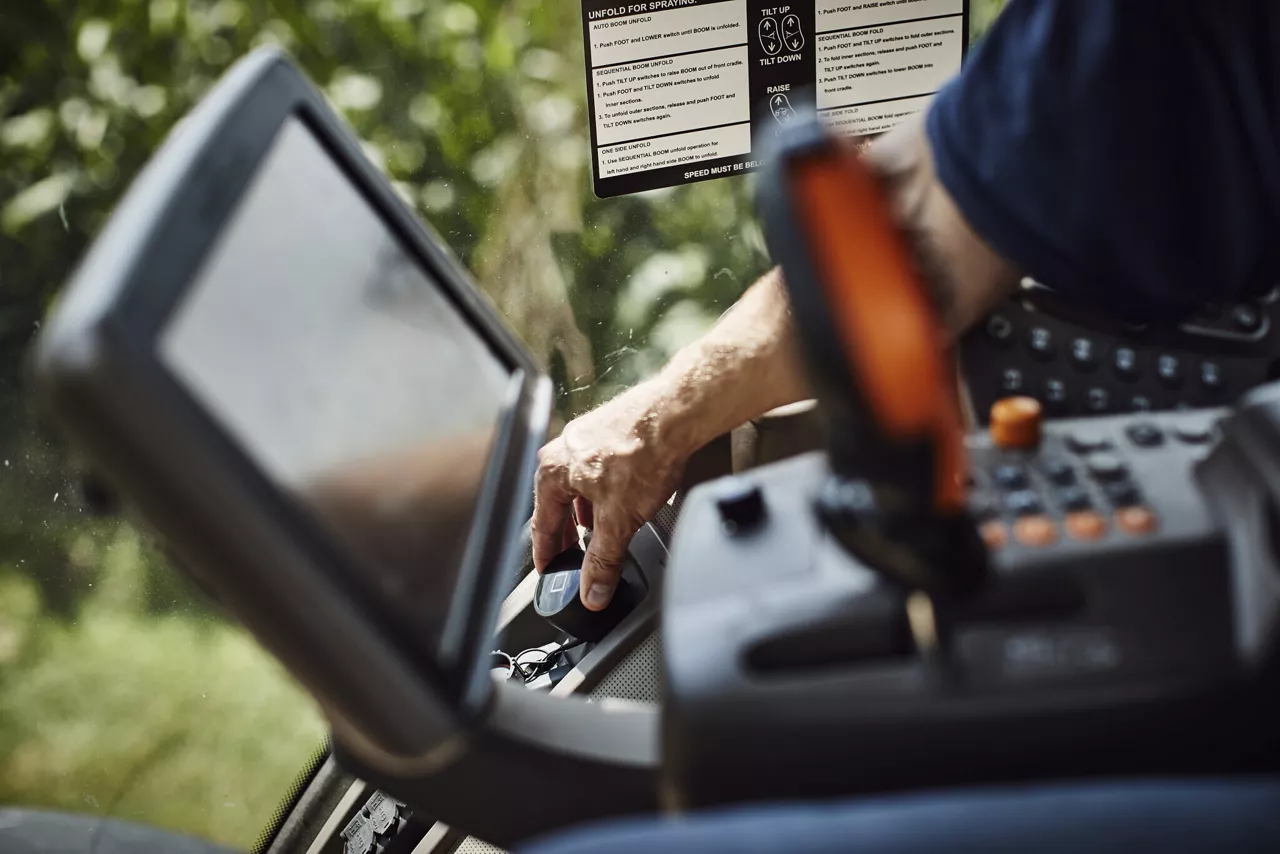
You can use features like Field Region Reports, Field Health Imagery and Yield Analysis to gain meaningful insights about your farm that allow you to make informed seed decisions for next season — decisions that can boost your yield and better your ROI. It’s like we say — analyze twice, choose once.
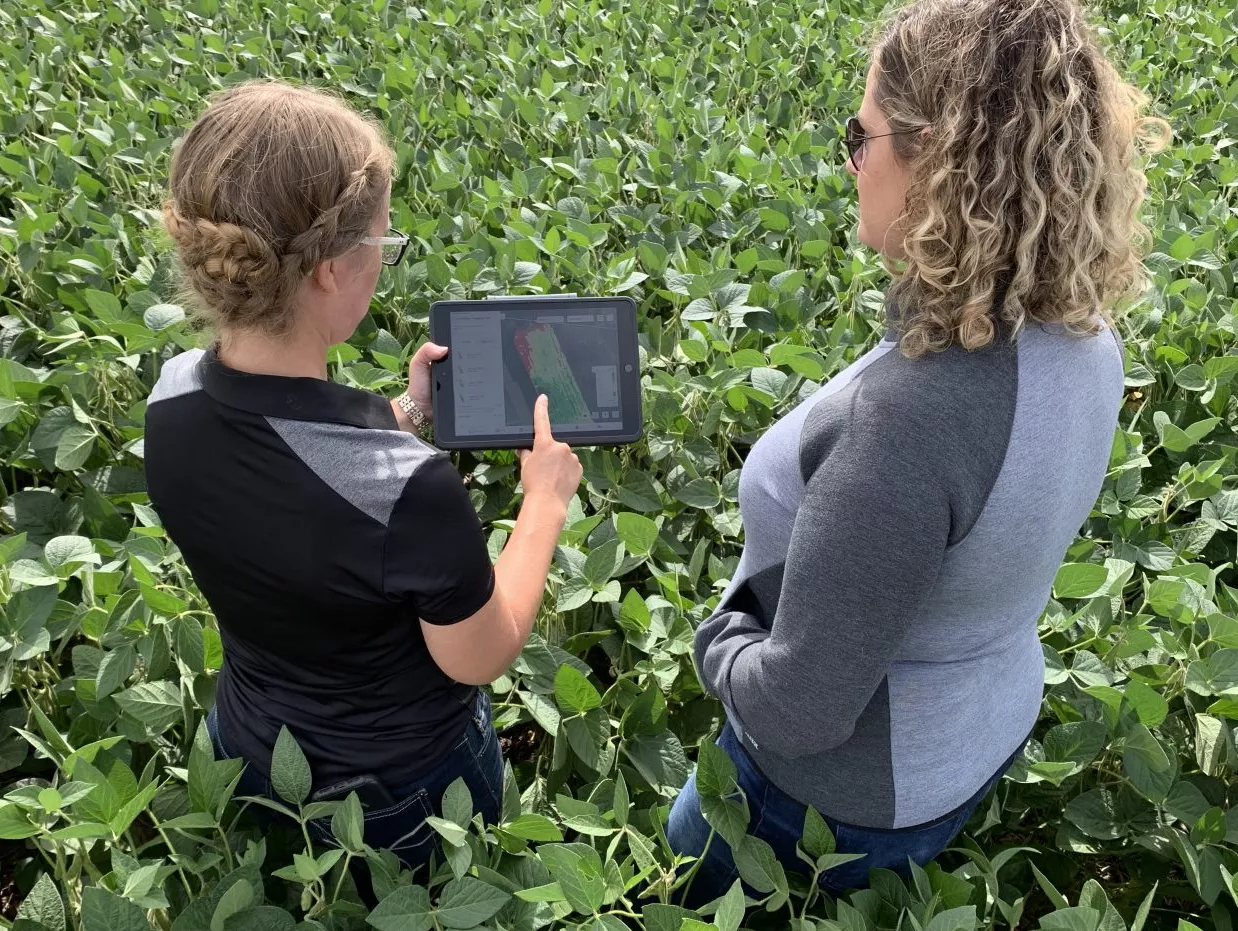
You’ve used Climate FieldViewTM to collect all sorts of field data—from seed varieties and inputs, to hybrids, fungicide and pesticide volumes per acre, soil conditions, rain levels, you name it. Now the big questions. What to do with it all? Fortunately, thanks to the strength and breadth of our Climate FieldView partners, we’ve got answers for you.
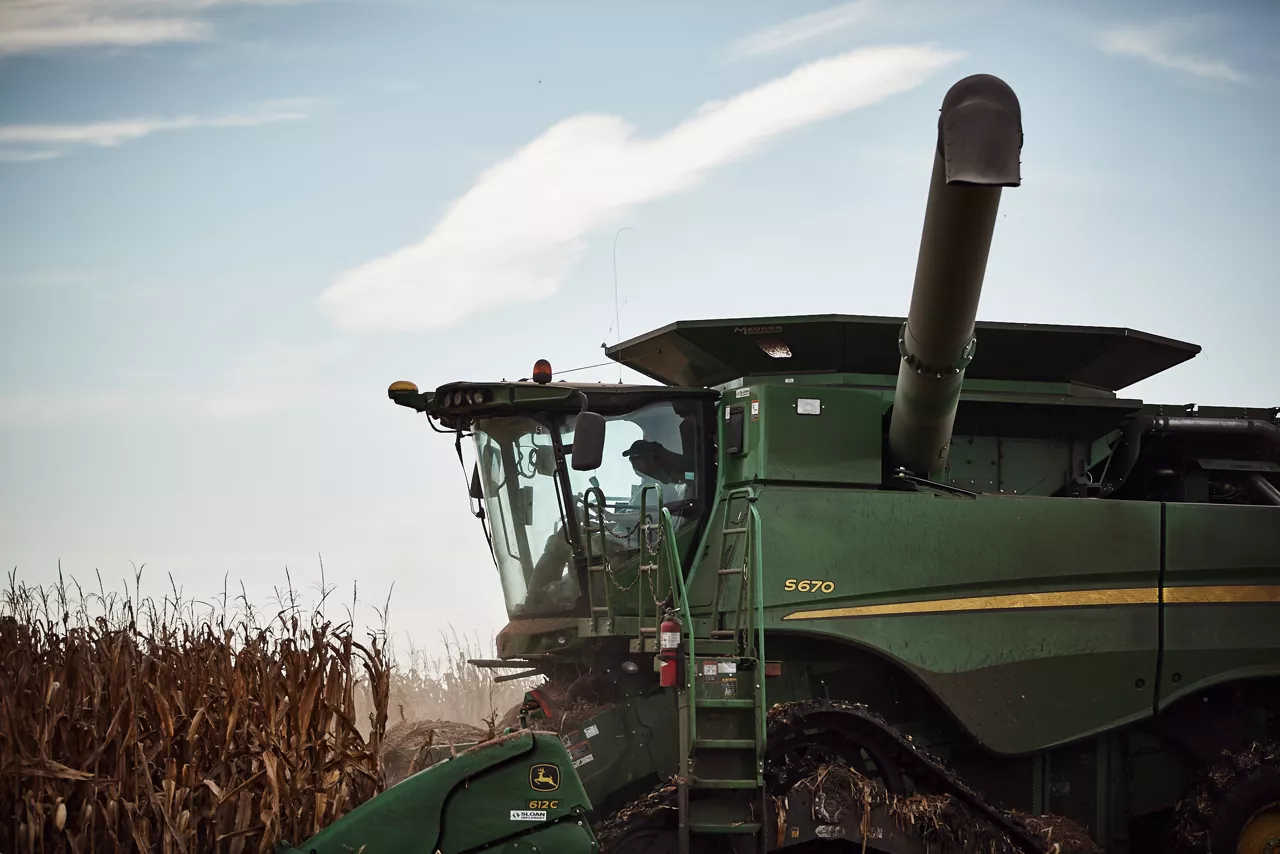
In a good year, when Mother Nature cooperates, providing healthy crops that don’t have any trouble growing farmers are optimistic, thinking about a profitable harvest and ROI for all their hard work. But what about when things aren’t going as planned?
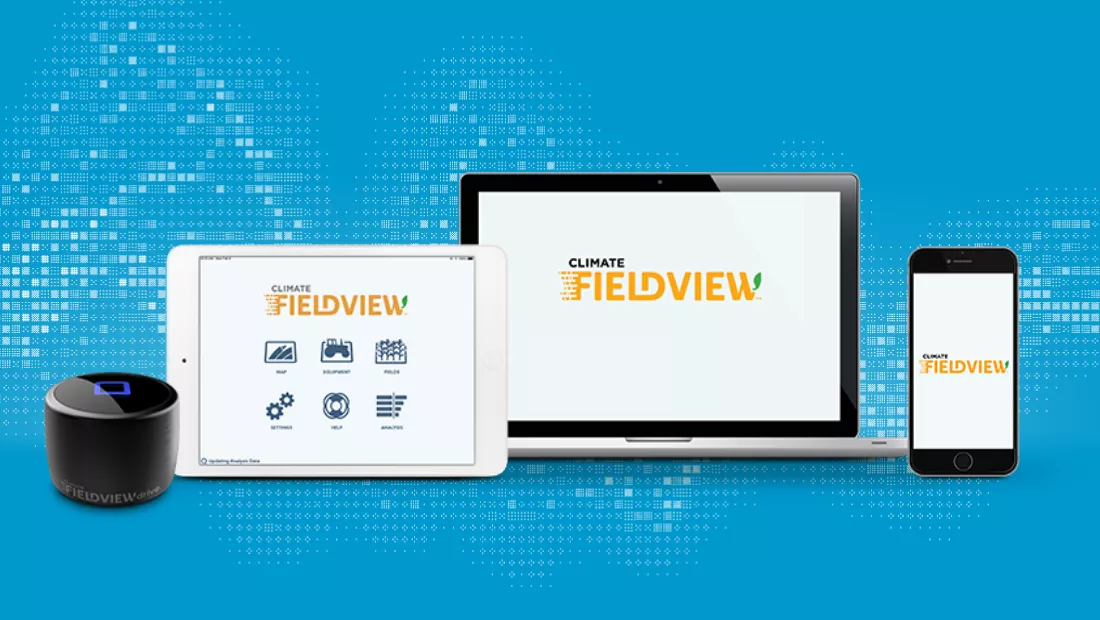
With Climate FieldView, farmers have one go-to location for collecting and storing all that field data on-the-go. Think of it as a repository for organizing the endless field knowledge each farmer holds in the brains (and binders). Let’s take a look at three Climate FieldView applications, to learn how they’re helping Canadian farmers maximize their return on every acre.
For our latest installment, Climate FieldView’s Troy Prosofsky caught up with central Saskatchewan farmer, Luke Ringdal, to hear how features like field-mapping and AB line sharing are helping his family grow crops like wheat, lentils and canola.

Our unwavering commitment to your privacy means you can always feel good about using FieldView™ to help you make the right decisions for your farm. Because we made the right decision to keep your data yours. With that being said, we know you might have questions about how the information we collect is used. That’s why we developed our commitment to data privacy.

A yield monitoring solution dreamt up by a team of Canadian farmers, geoscientists, web developers and agronomists, FarmTRX puts powerful, precision ag tools within reach of all growers by letting them retrofit existing equipment.
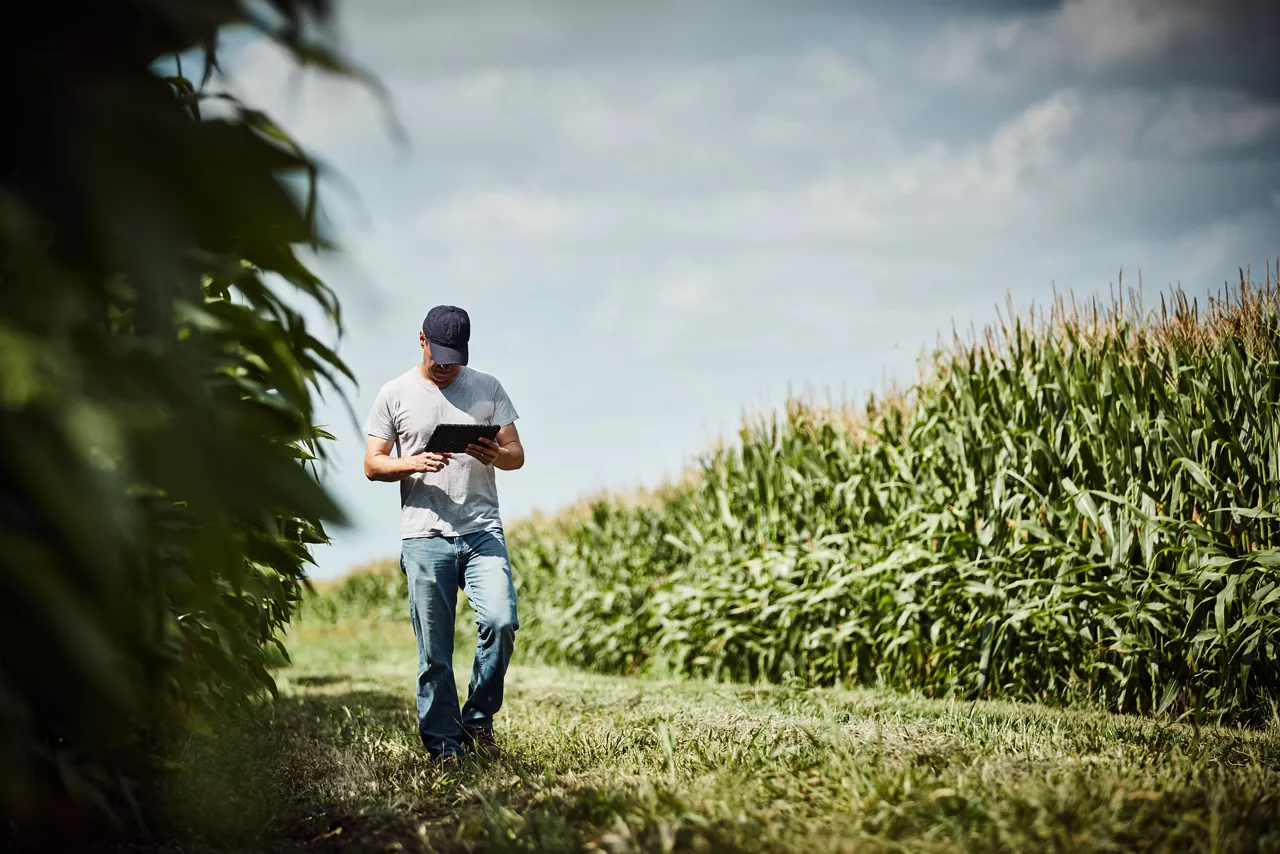
Overall, troubleshooting with Climate FieldView is relatively painless. Whether you discover that you gave a crop the wrong name or mislabeled a hybrid/variety, fixing those mistakes is as easy as a few taps through our web data cleanup tools.
If you’re gearing up for harvest season now, we’ve developed the following FieldView™ 6-step pre-harvest action plan to make sure you’re good to go. Ready? Let’s get into it.

Our goal is to streamline and simplify the process of farming. Which is why we developed Manual Scripting for Crop Protection products. This feature allows you to only apply products in the areas of your field that need them, providing both economical and sustainability benefits.
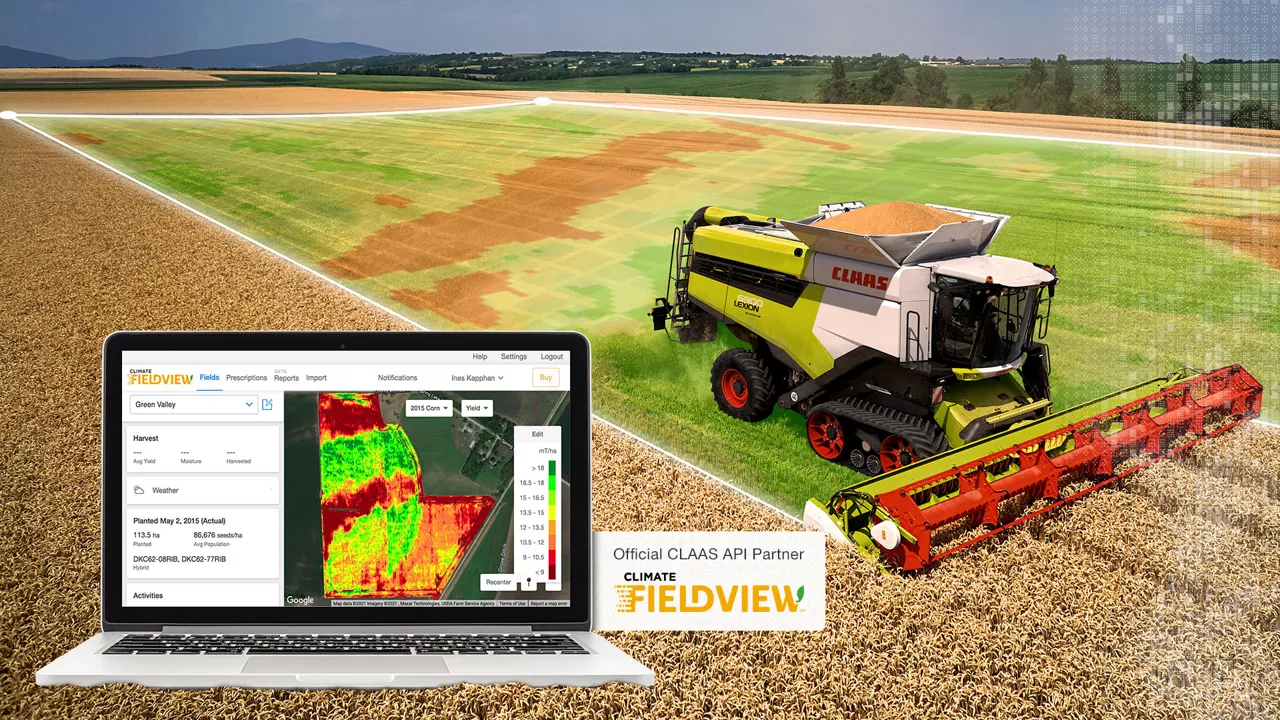
We’re proud to announce an important milestone in our partnership with CLAAS TELEMATICS — full API integration. Farmers can now link their Climate FieldView account with CLAAS-generated data via secure cloud-to-cloud access.
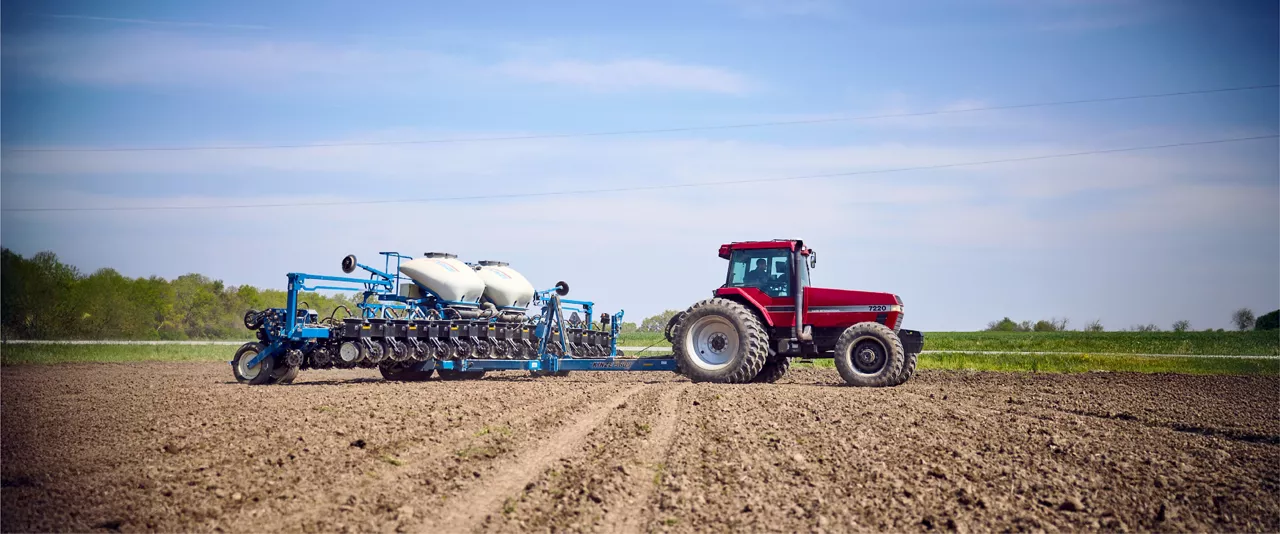
This time around, Climate Business Manager Sara Yuzak chats with Alberta farmer Taya Page during a shift in the sprayer on a bright prairie morning. The two discuss how custom mapping with FieldView is simplifying the management of Taya’s 12,000 acres, and the role farming has played in their lives.
Profit Layers® uses in-field precision data maps to pinpoint optimum locations for planting various crops, ideal times to spray, and those sorts of things. Farmers using the platform can analyze profits, manage their operations by zone, generate reports at the farm and field level, and even track profits over time.
Hello, and welcome to our newest feature Q & A, or Questions and Agronomists. It’s your chance to learn how Agronomists across the country are using the power of data and Climate FieldView™ to help their growers reach their growing goals. This month, we sat down with Melody Robinson of Clark Agri-Service.
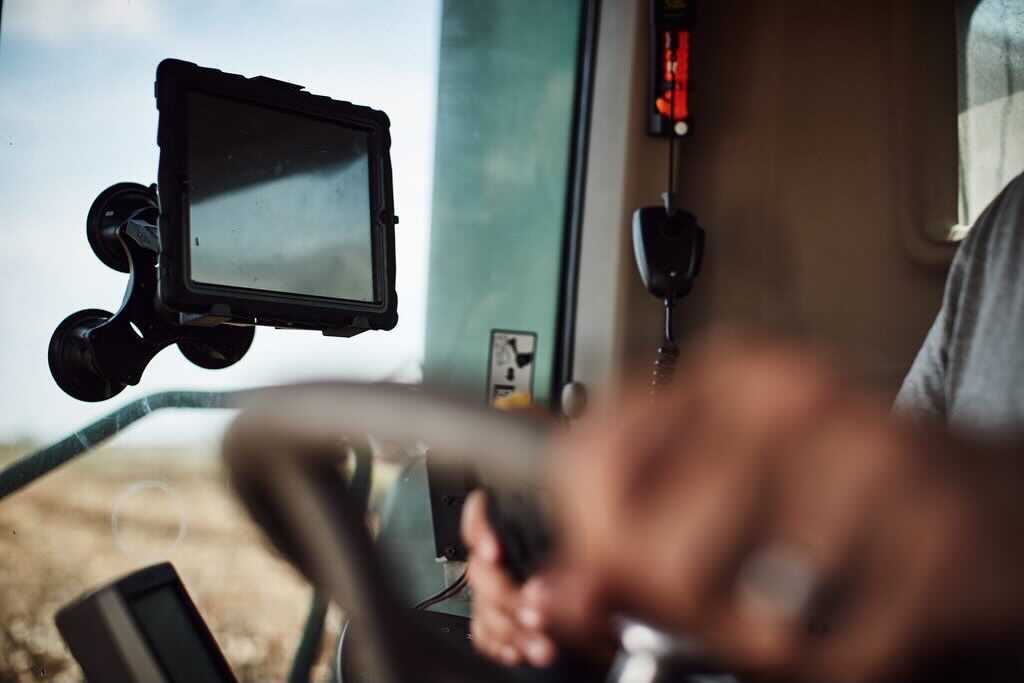
As a FieldView user you’re already the kind of farmer who’s looking for anything you can to give you an edge to improve your farm year over year. You’ve come to the right place for a few tips and tricks to help you make the most of the Cab app.
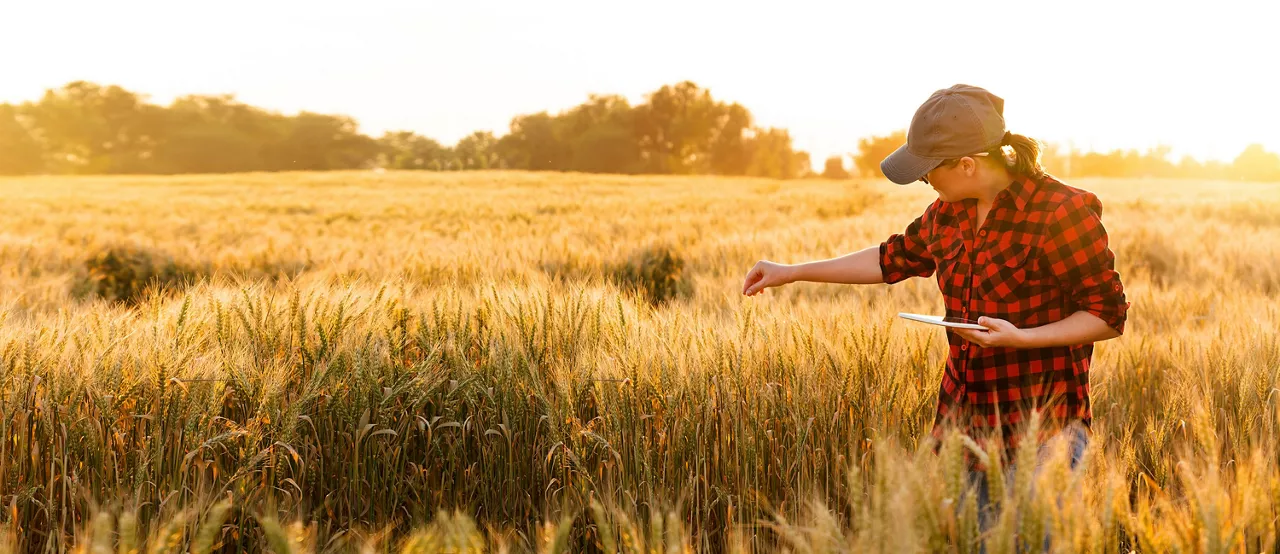
Our digital ag tool allows you to see more than what is right in front of you, providing you with consistent, satellite imagery that can help you identify potential issues, like crop disease, before they become real problems. With field health imagery, you really do get the bird’s eye view of your entire operation
We’d like to introduce you to Conservis, the company behind the leading farm management software system of the same name that provides unparalleled support to Canadian farmers. Read along as we ask a few questions about what makes Conservis special.
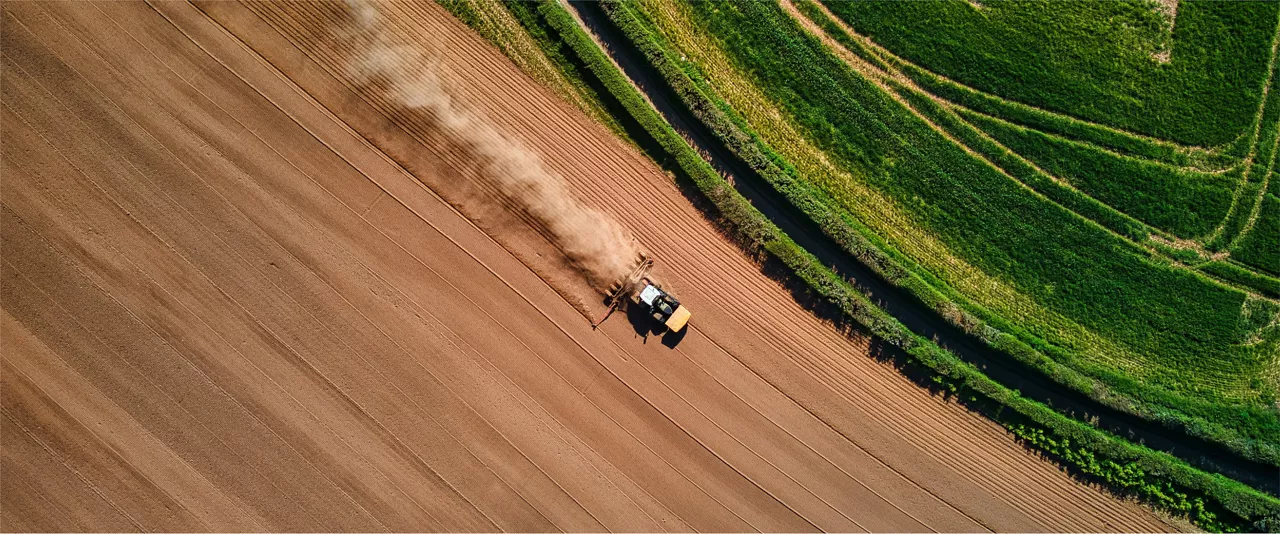
On this episode, Chapin Bell, Climate Business Manager catches up with Keenan Fahlman from Holdfast, Saskatchewan. It’s not long before these two get to the goods on how Keenan sees the value of using FieldView on his farm practically every day.
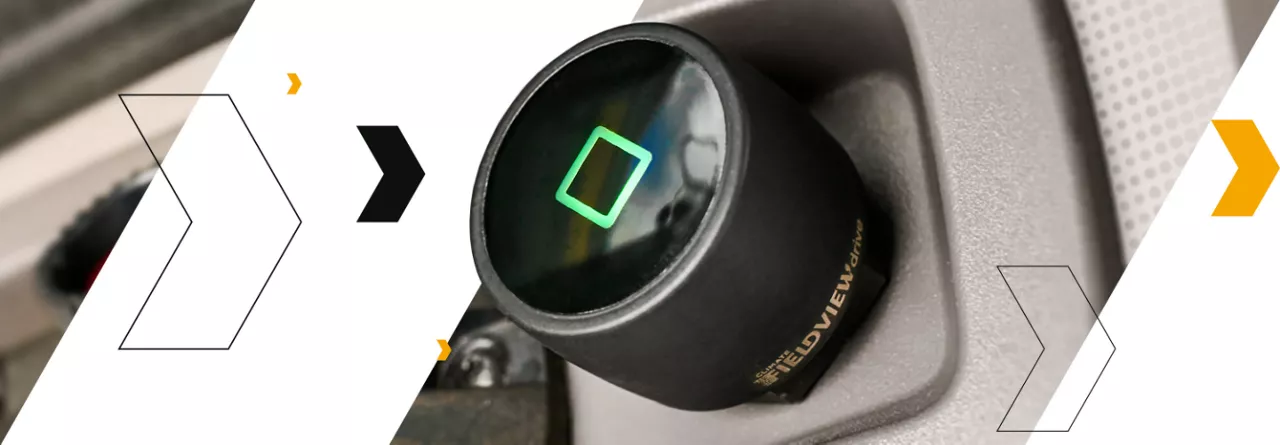
Quality data is key to the good life, and one piece of technology can connect your entire operation. The FieldView Drive can make old equipment collect data like a brand-new model.
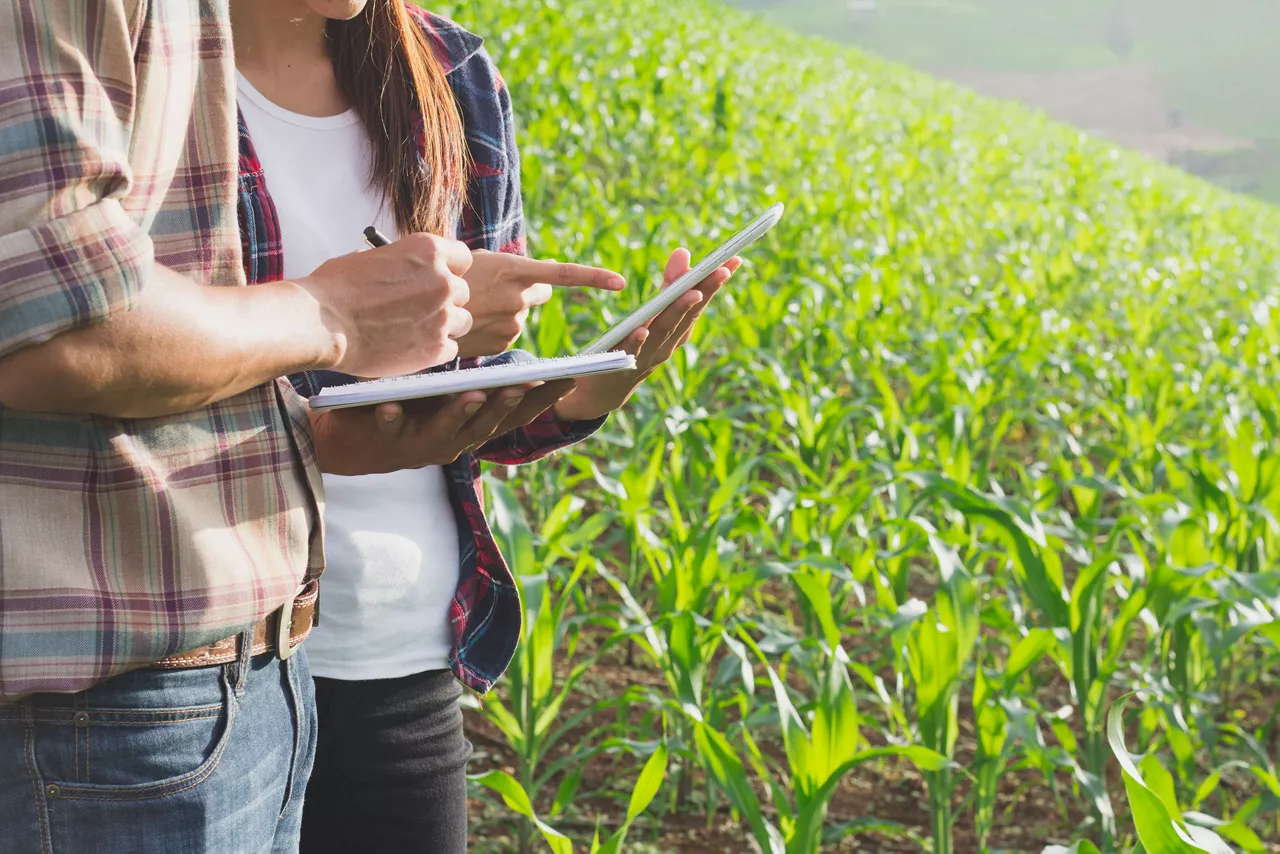
Advances in digital agriculture are changing the game for many operations, enabling zone-level management, from real-time planting or seeding information in the cab to crop performance at harvest time. And it’s not just planting and seeding that farmers can experiment with. FieldView™ users are testing fertility treatments, fungicide applications, tillage impact, and more.
In this installment, we asked the team at Croptimistic Technology a few questions about their product SWAT MAPS and their SWAT ecosystem.
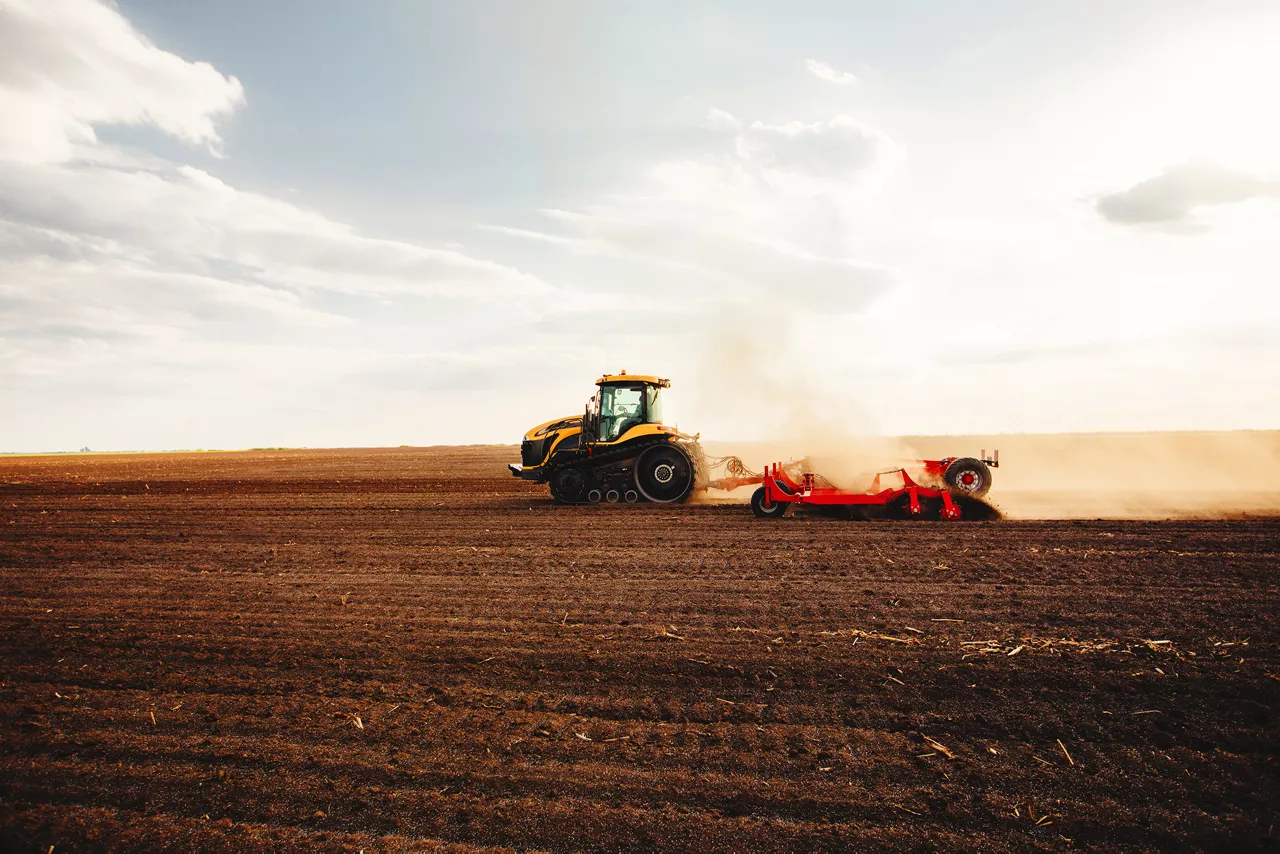
We’ve pulled together some helpful information to help you set up your FieldView app so you can accurately collect your as-planted, as-applied, and fall harvest data, all of which will help with your decision-making now and throughout the year on your farm.

With another growing season upon us, we’ve been busy making the desktop experience on climatefieldview.ca every bit as good as the app on your iPad, with the advantage of your larger desktop screen to work on.
In our ongoing Partner Profile series, you can learn more about our connected partners, and how they make it possible for the FieldView platform to help you keep all of your data in one place. In this our first instalment, we asked SoilOptix Inc. a few questions.
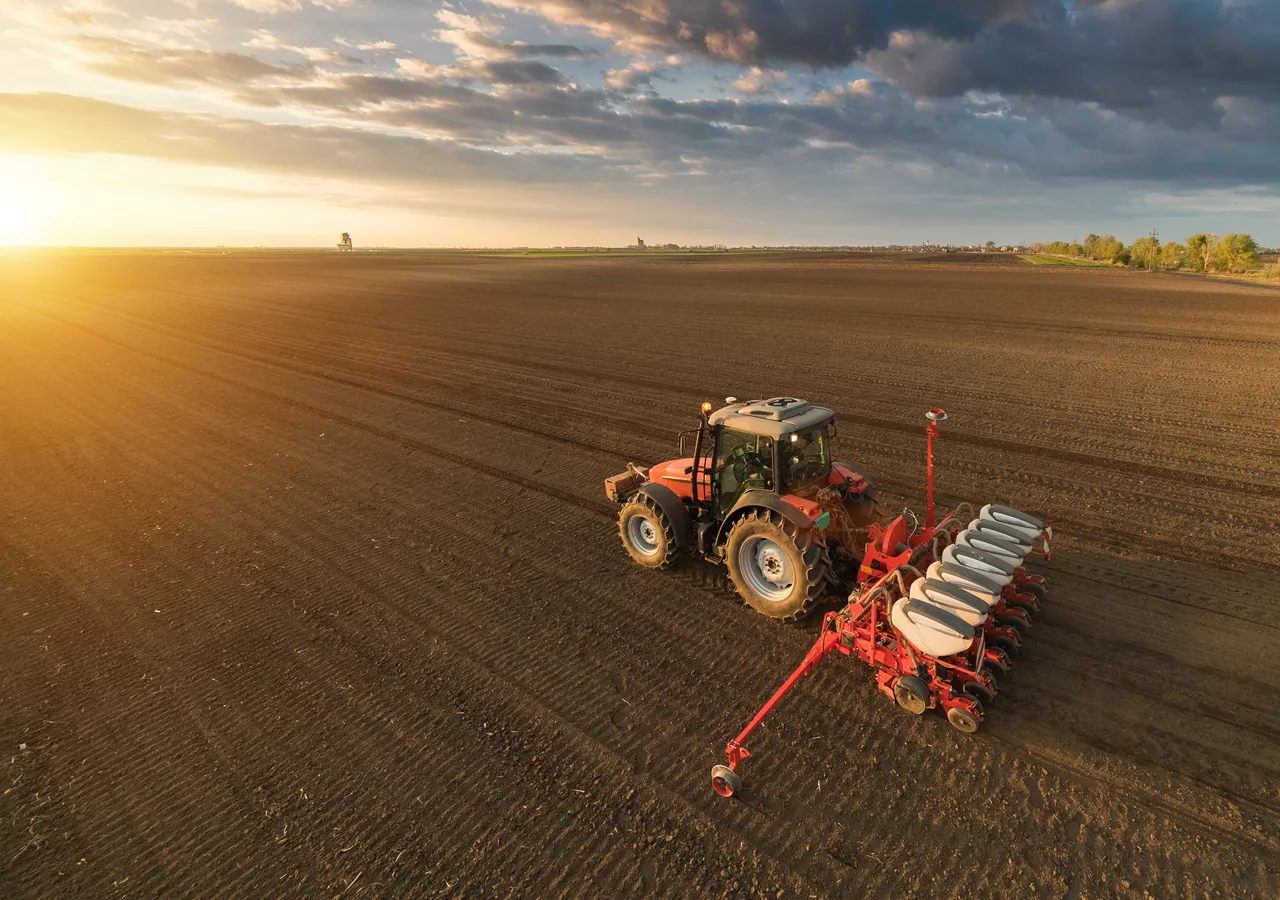
Just like other investments, you want your seed to work as hard as possible to see a good return in the fall. Of course, the decisions you make between now and then influence how much you put in the bin come harvest time. That’s where using variable-rate seeding (VRS) comes in.
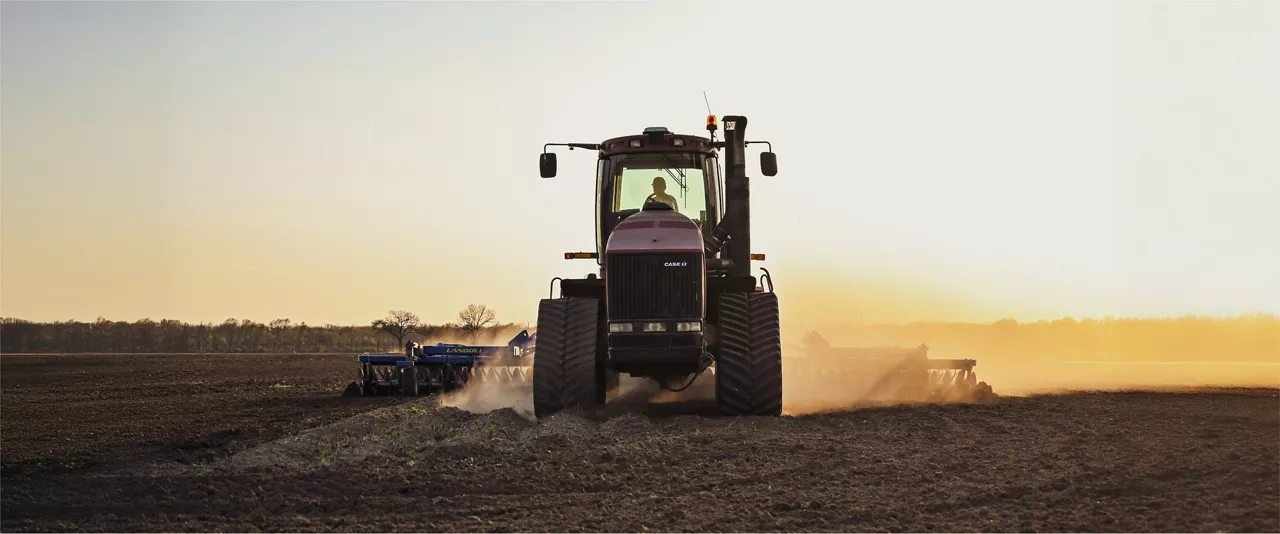
On this episode, Daniel deMoissac, Climate Business Manager digs deep with Jakob Buhler, a farmer from Embrun, Ontario. They start, with what else….the weather…and move on to how Jakob uses Climate FieldView to maximize his yields while minimizing cost.
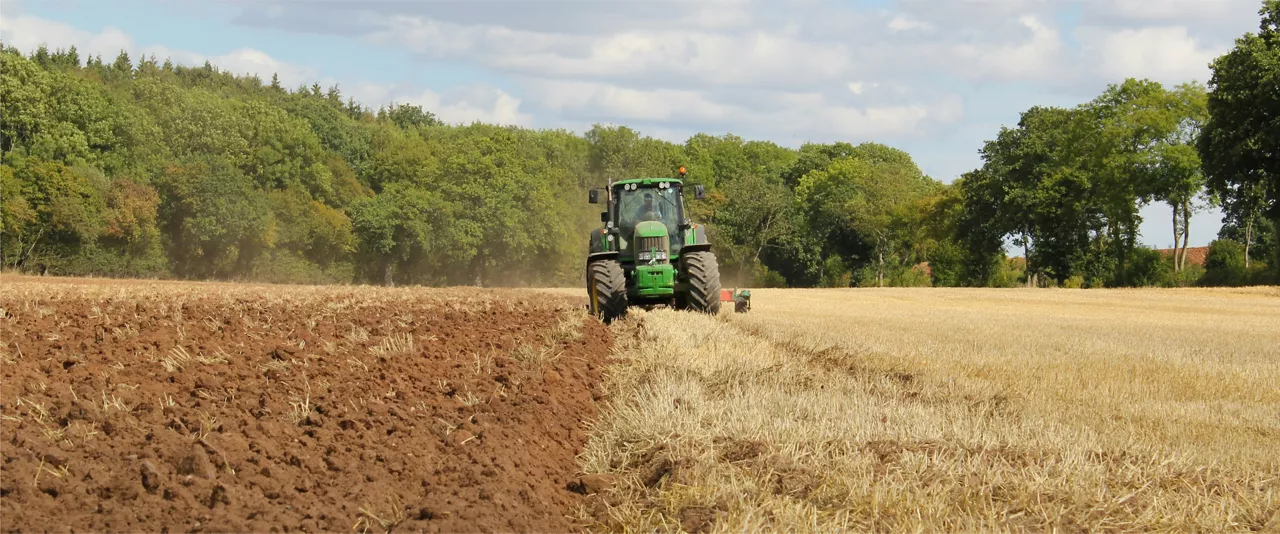
On this episode, Andrew Elgersma, Climate Business Manager, chats with Dave Spring, farmer from Elmvale, Ontario. Dave is a fan of FieldView as he uses the data to help him make the best decisions for his operations, crop after crop and season after season.
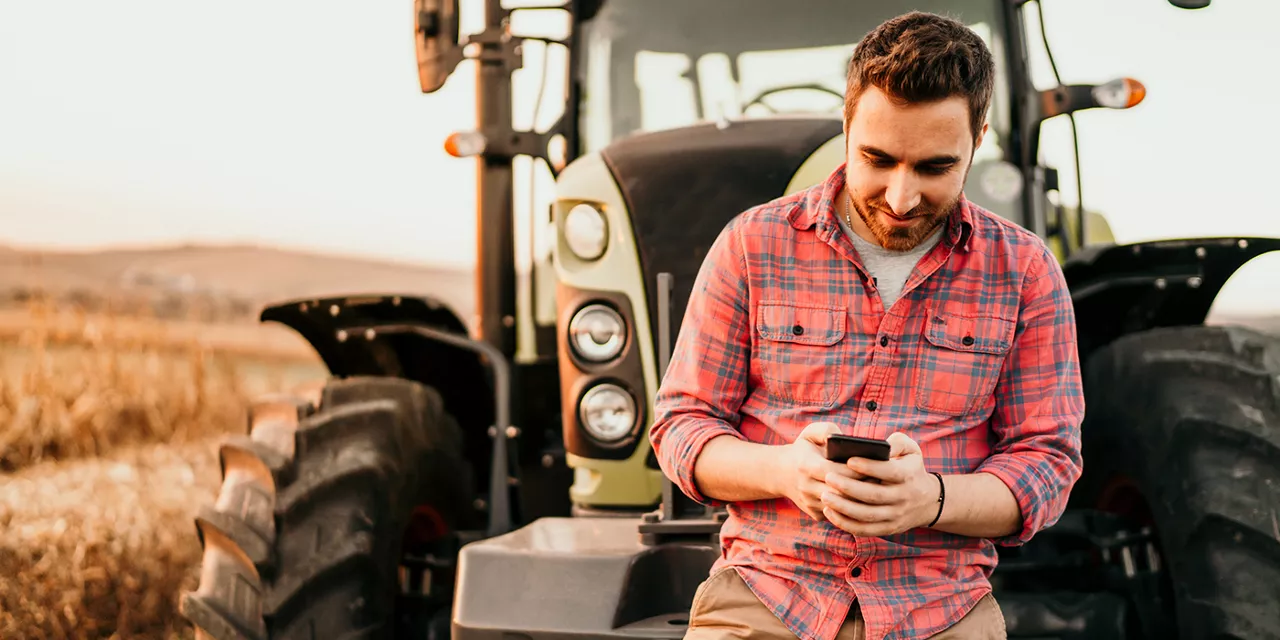
We have a few suggestions that can help save you some time this summer — which hopefully turns into enjoying more time with family and friends. We assembled this quick list of FieldView™ tools that are designed to help you effectively monitor conditions in your fields and efficiently target areas of concern.
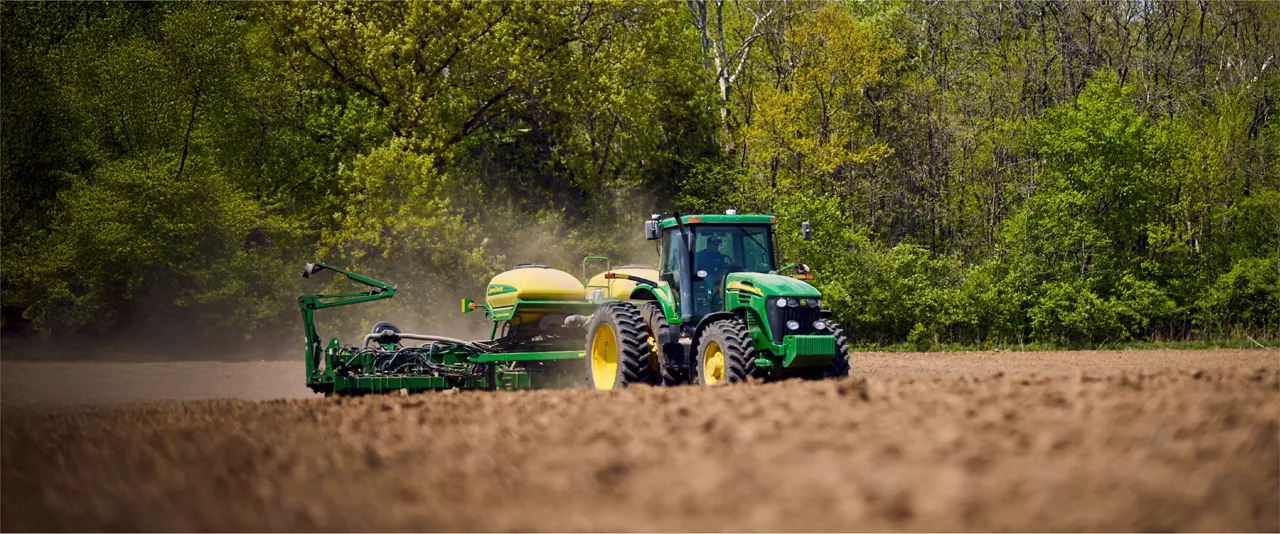
On this episode, we chat with Riley Anderson from Morris, Manitoba. Riley was an early adopter of FieldView and continues to see the value, helping him increase efficiency while decreasing costs.
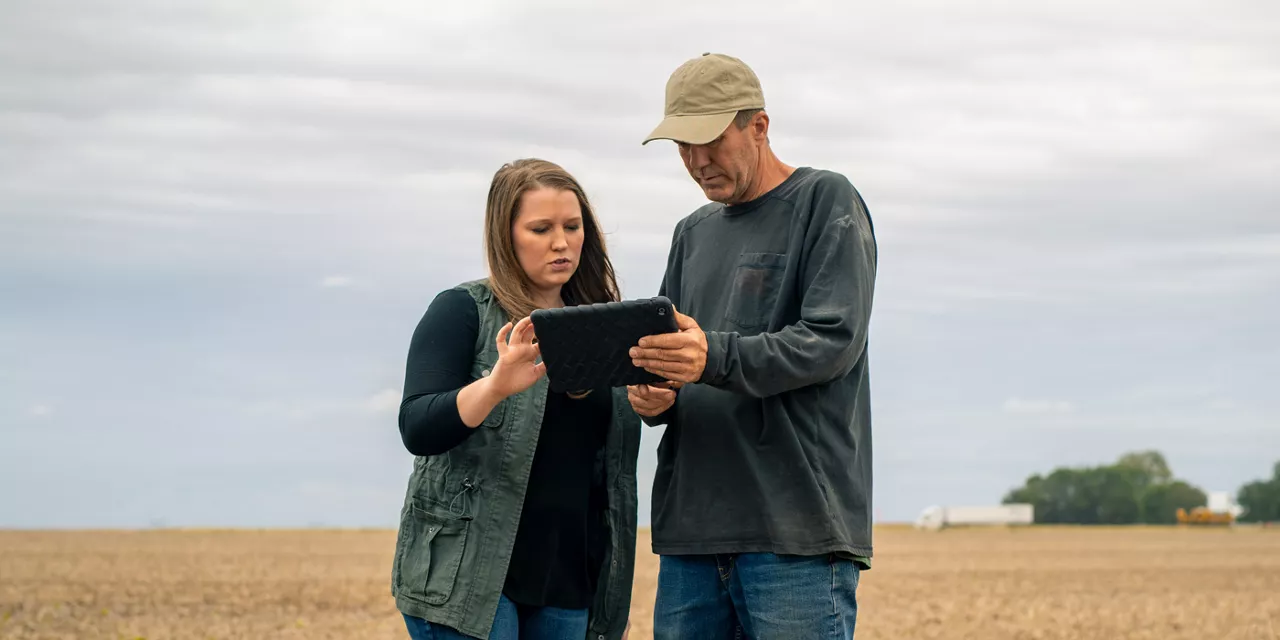
We’ve built FieldView to be your central hub of digital innovation that gives you a broad, interconnected set of tools, services and data — not only from our own platform, but from other innovative companies as well.
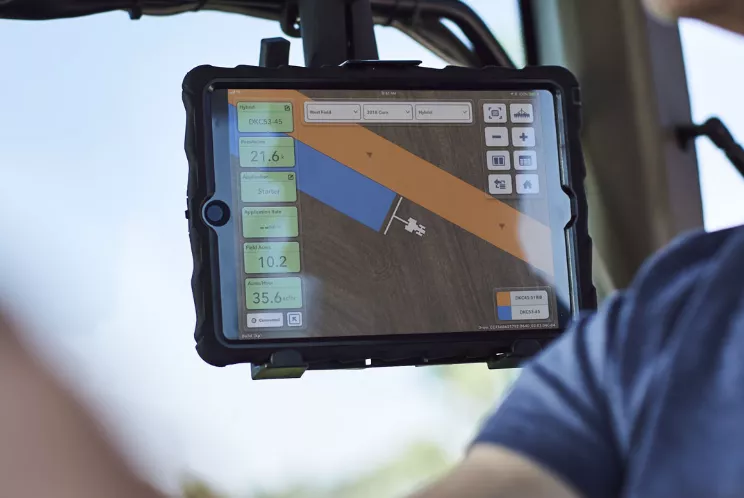
I’m surrounded by a great team of advisors, including my local agronomist and two DEKALB® representatives that help with a lot of my farming decisions. But I like to write all of my scripts myself using two FieldView tools: manual seed scripts and FieldView seed scripts. The FieldView seed scripts tool is especially helpful since it provides me with population recommendations based on the hybrid and historic yield data. From there, I have the option to revise the prescription for each management zone.
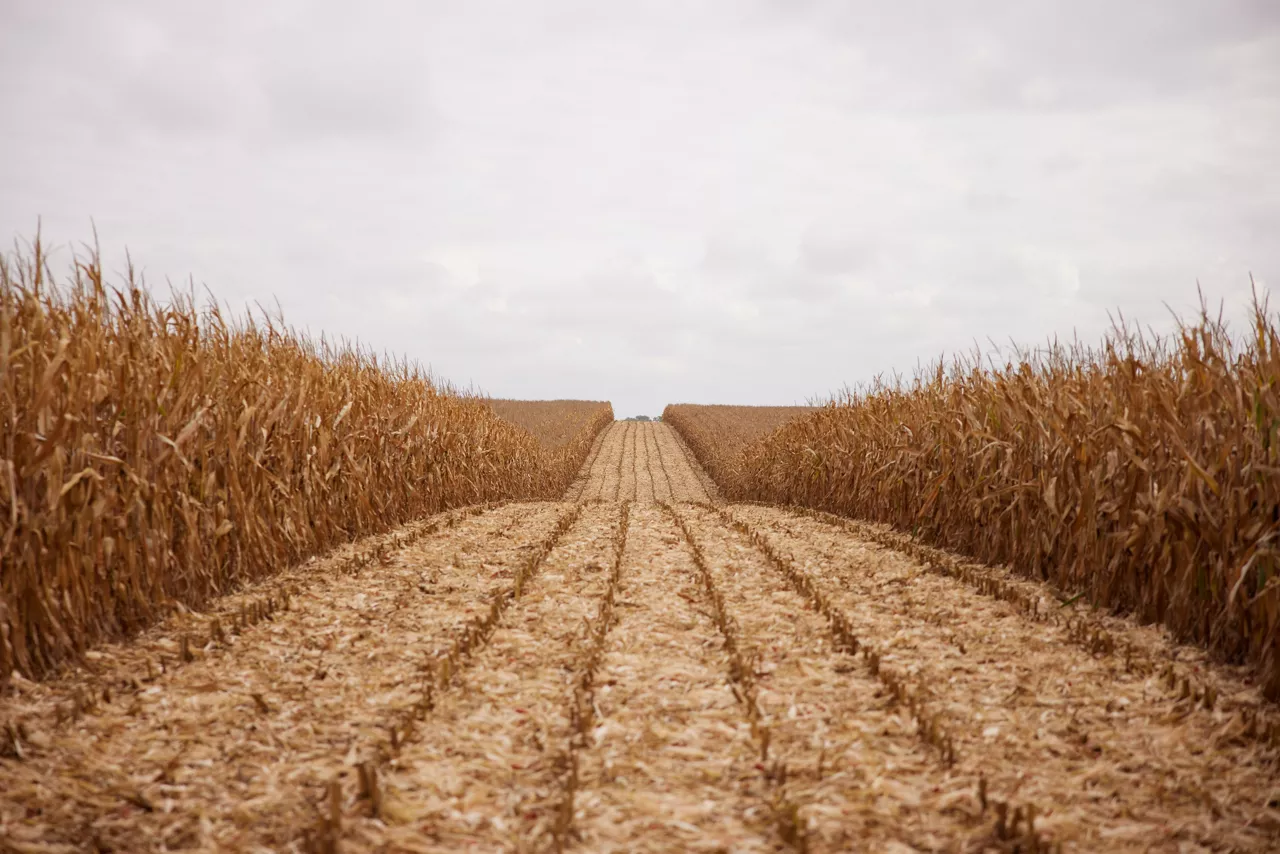
Farmers know how important it is to ensure their data is accurate, because they base their decision making on what that data is telling them

We know that integrating this platform into your operation doesn’t happen in a day. It takes time. We are invested in helping farmers navigate this new technology.
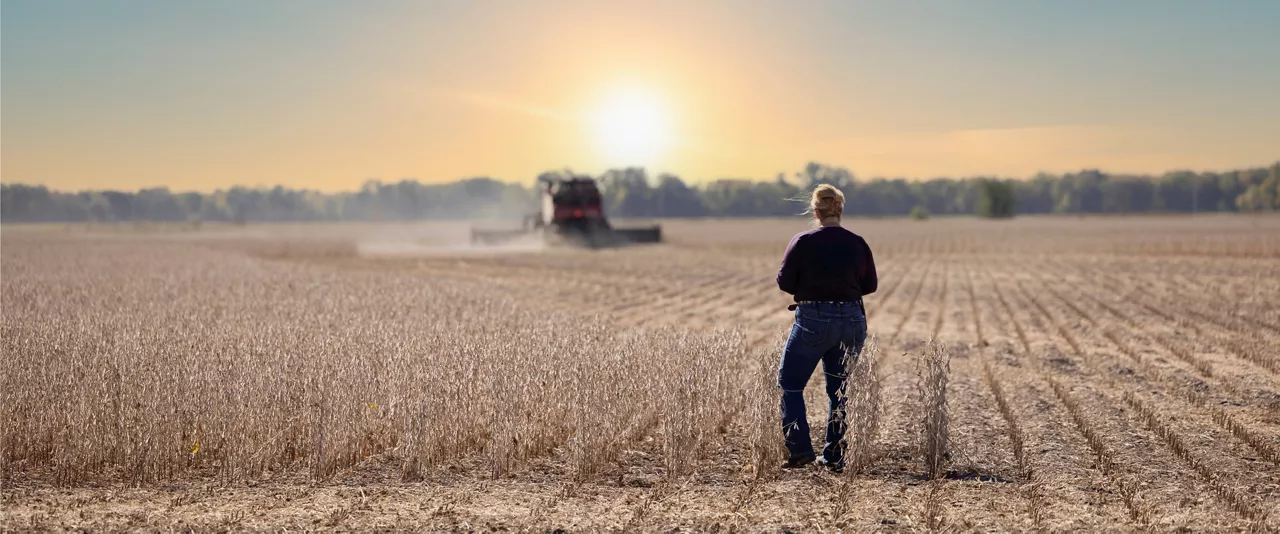
No matter where you are, you’ll want to be ready the moment your crops are — and that means ensuring you’re set up to collect the data that is key to analyzing crop performance and making decisions for the coming season. We’ve created a pre-harvest action plan of steps you can take right now to get ready to run.
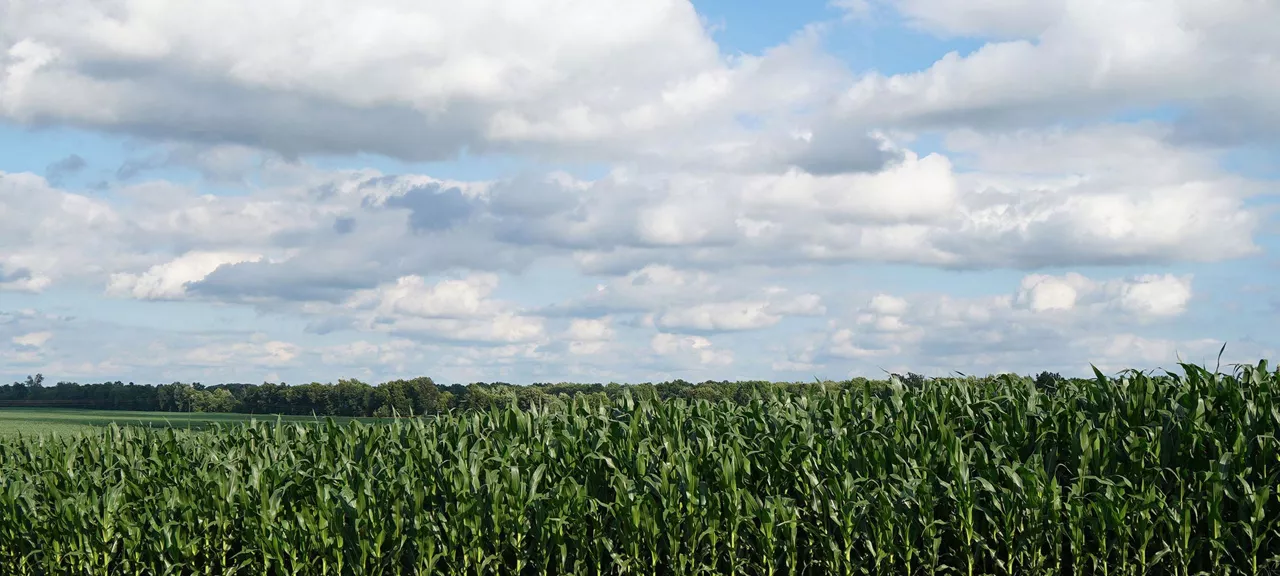
When clouds obstruct the view of satellites, the technology that analyzes images to produce scouting maps and other data interprets this as a field health problem. This results in misleading field imagery. As a data scientist, the last thing I ever want to do is provide inaccurate data. So my colleagues and I set out to solve this issue by creating better, more sophisticated technology.
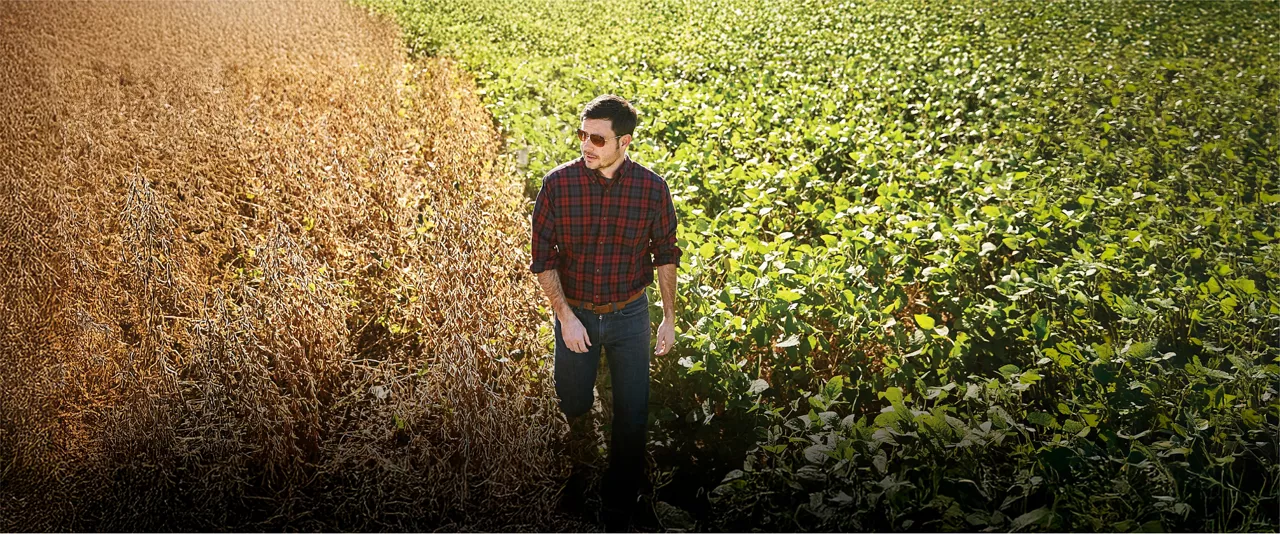
Split planting, which is planting two different seed products side-by-side in the same planter or seeder pass, can be an effective way to generate powerful data to confirm your seed purchase, population and placement decisions. FieldView™ can help you use this data to get the most from your seed investments.
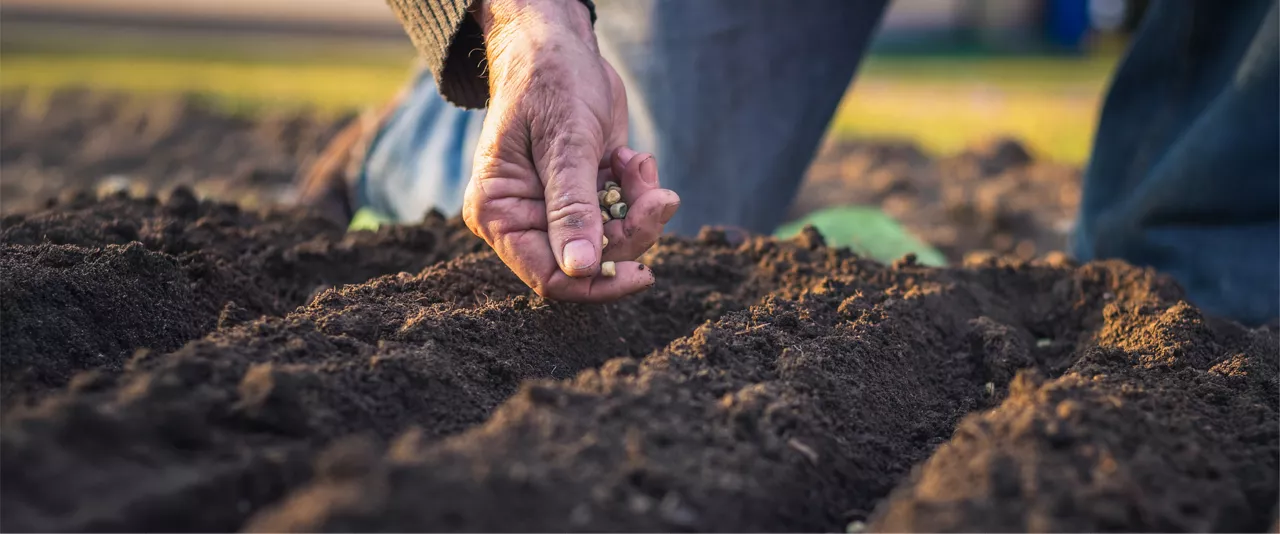
Climate FieldView™ yield analysis tools can help you make informed decisions on seed placement for the coming year. Now is the time to set yourself up to maximize return on the seeds you will soon be planting and give them the best opportunity for success.
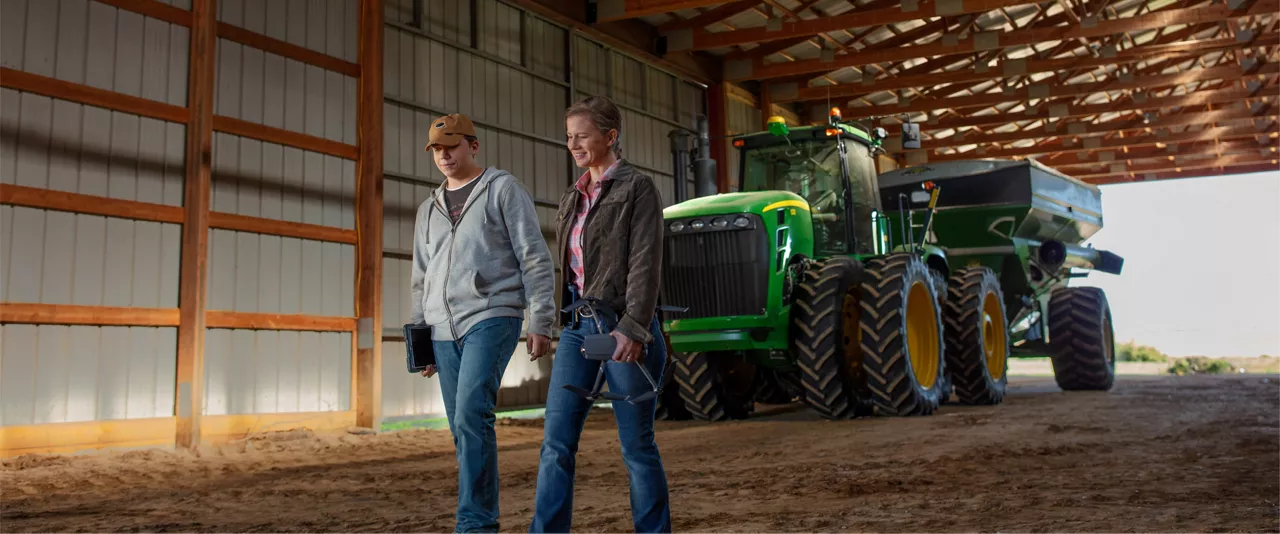
New installments of FieldView Farmer Stories will be released every three months, so be sure to watch for regular updates to hear more about how Canadian farmers are changing the landscape by using Climate FieldView in their farming practices.
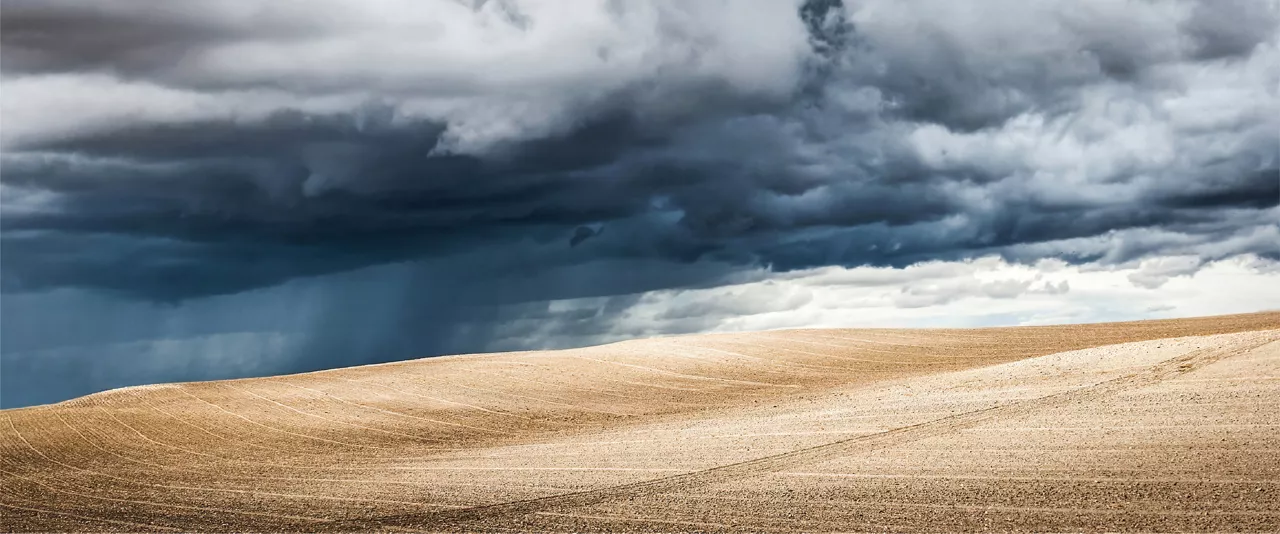
As part of our work on the Climate Weather Science team, we study how rainfall can vary a lot across a single field or an entire operation. This variability is why FieldView™ rainfall reports provide an average estimate of rainfall over a field — these rainfall estimates at the field level can be more valuable for decision-making than individual rain gauge observations.

We work closely with FieldView research and development teams to draw on a deeper level of expertise to solve problems and create new functionality based on your feedback. Our support team constantly works to ensure we’re responsive to you, closely tracking wait times and looking for ways to keep them as short as possible, as well as extending our hours during peak times of year, such as harvest and planting.
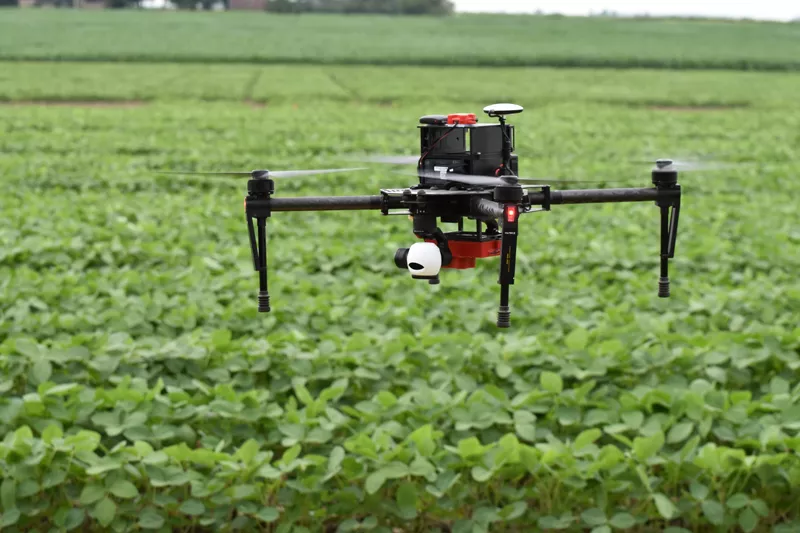
Since the partnership with Deveron UAS Corp was announced, Climate FieldView users looking to explore the benefits of drone flight data have been able to order flights directly through the FieldView platform. Within a few days, Deveron can perform the service and upload the data directly into the users’ FieldView account.
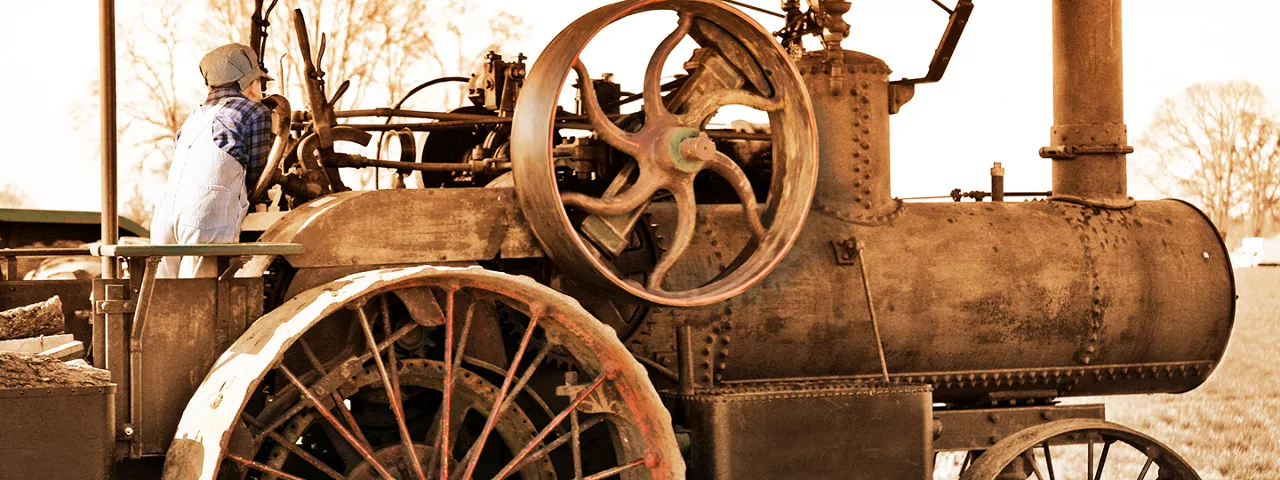
Innovation in agricultural technology is a part of the farming tradition. These days, new technology is announced nearly every week, and it can be easy to lose track of how far we’ve come over the course of a single lifetime. From the introduction of gas tractors to the rise of mobile devices, farms in Canada have changed drastically in both appearance and output. Join us in looking back at how agricultural technology has evolved over the past century.
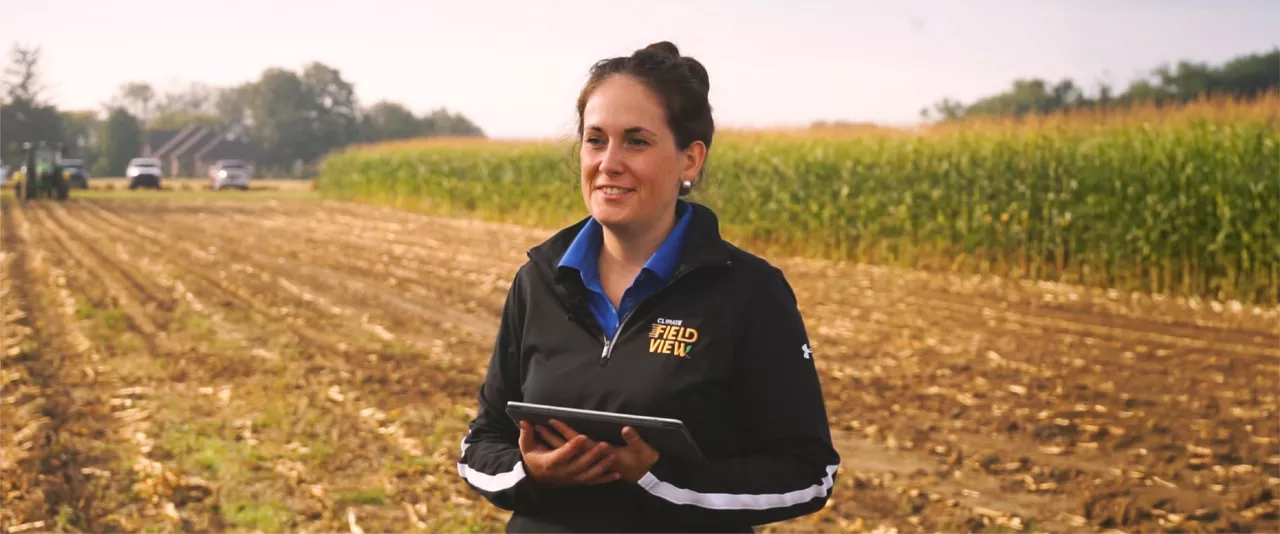
“Getting to know FieldView, I thought it was really exciting that agriculture was going that way and there was a company making it easy for growers. It’s been rewarding to help farmers help themselves with this platform.”
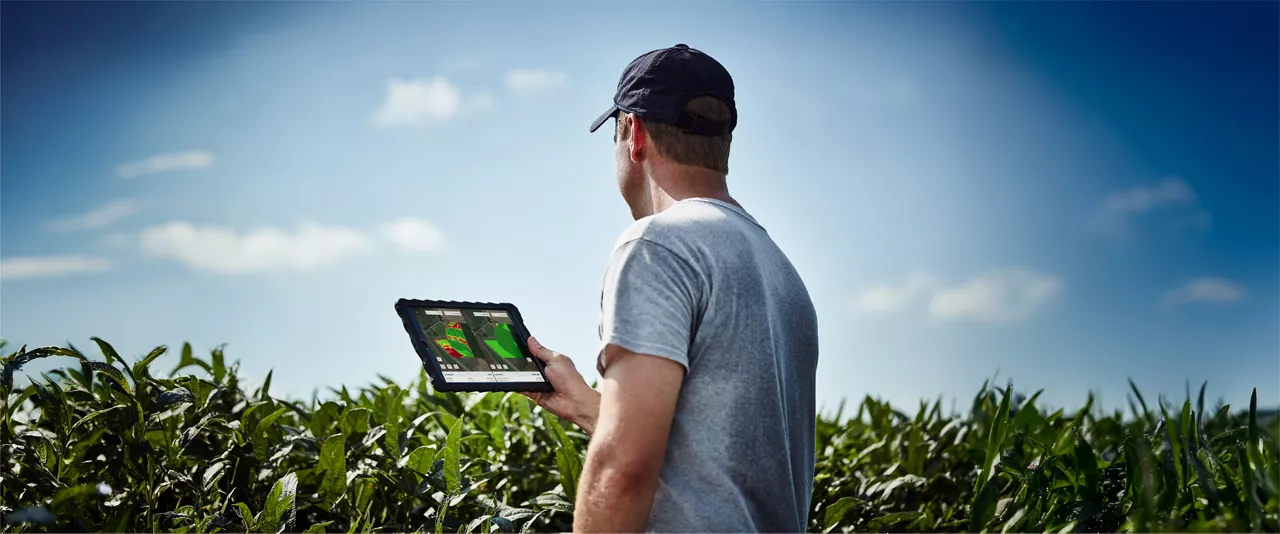
Monitoring your crops’ health during the growing season from emergence to maturity is a critical part of ensuring a productive harvest. One of the resources that can help to make this possible is Climate FieldView™ field health imagery.
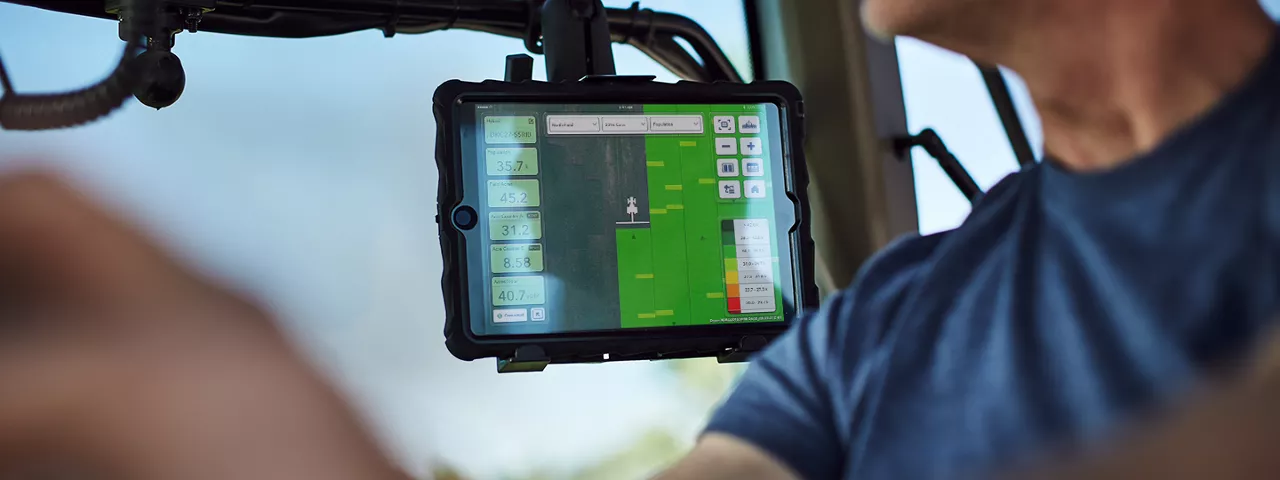
Knowing the optimal seeding rate for the highest yielding and lowest yielding areas of your fields can have a direct impact on your bottom line. Since few tools are currently available to help you make this decision, we saw an opportunity to help you manage field variability and have every opportunity to maximize yield.
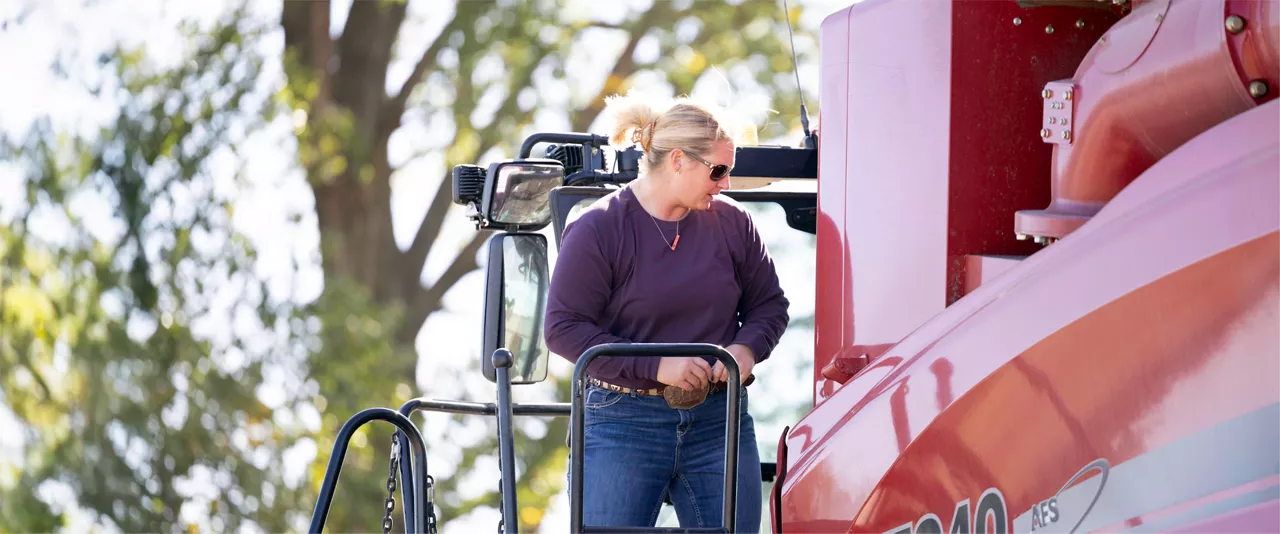
After a busy growing season of keeping an eye on all aspects of your crops, it’s time to focus on a safe and successful harvest. I’d like to talk about some exciting developments, and take a look at what’s new with Climate FieldView™ this fall to make sure you are ready when it’s time to head into the fields for harvest.
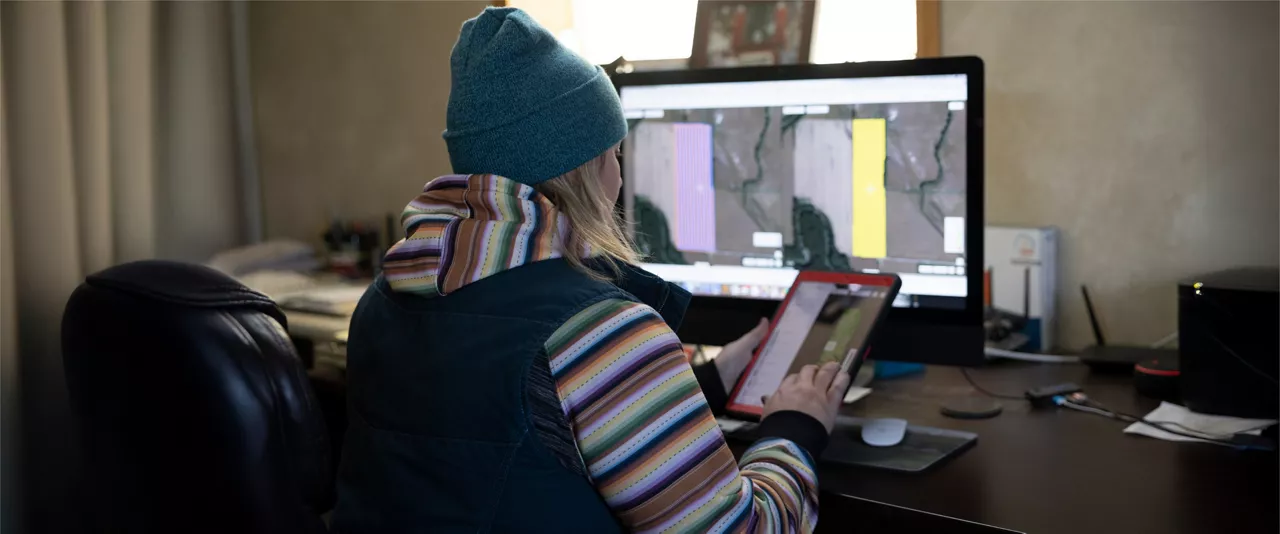
Fall will be here before we know it and after a growing season of careful scouting and adjusting inputs, harvest is just around the corner. We asked Luke Samuel, our Commercial Product Director, a few questions to help you start thinking about a productive fall in the fields.
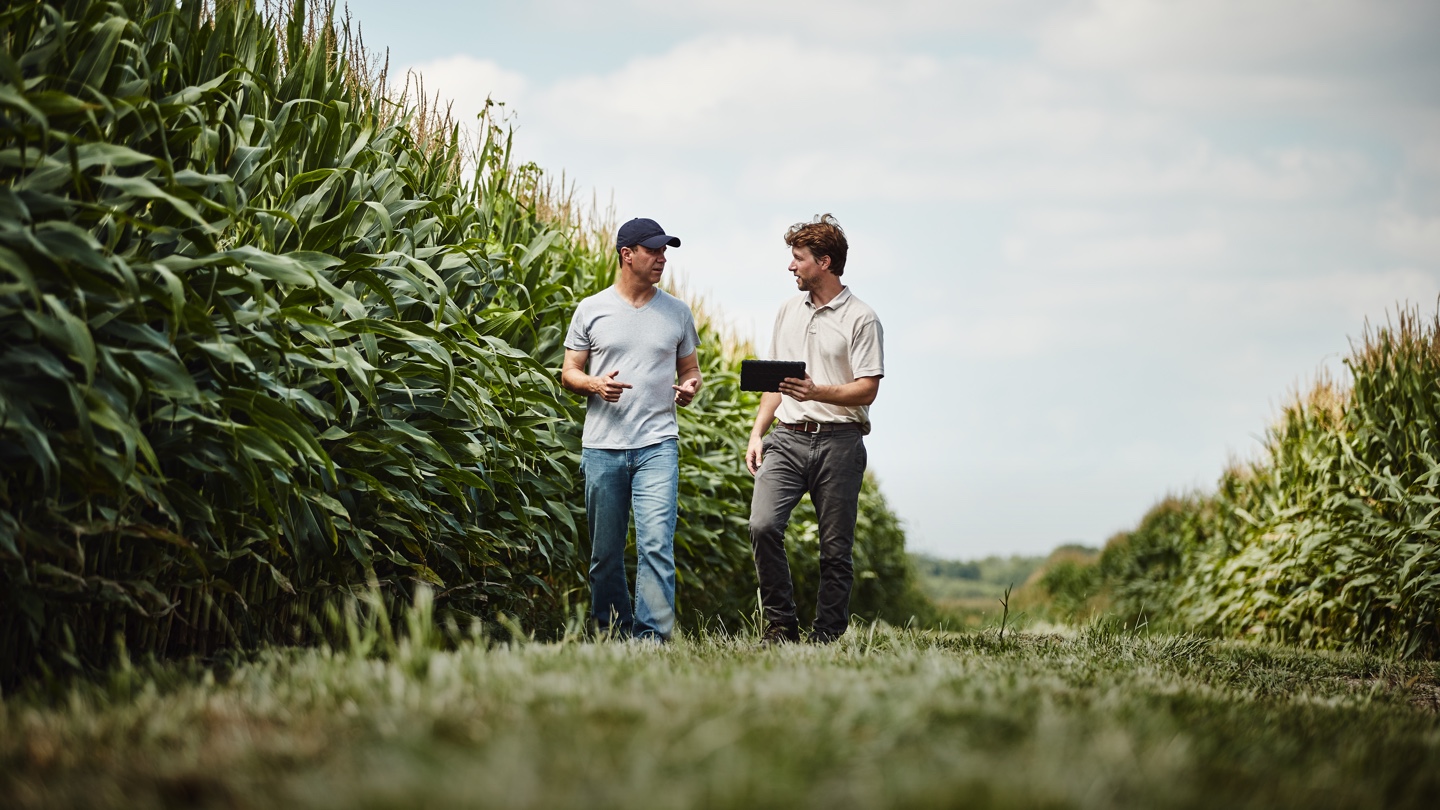
As a Climate FieldView™ user, it’s so important to take steps as a business owner to make sure FieldView™ works on all your devices. When you roll into the field at harvest, we want to make sure FieldView is working optimally to collect your yield data for this season, so that crucial data isn’t lost, and so you can start using it right away to make decisions for next year.
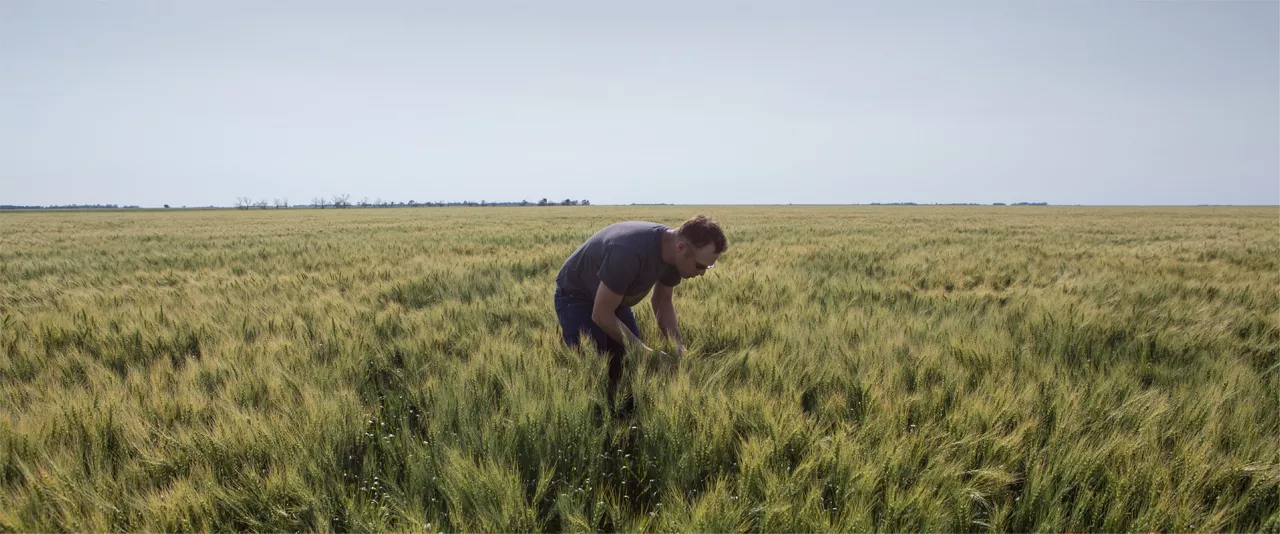
As your crops continue to grow and in-field scouting becomes more difficult, the ability to see beyond the end rows is critical to addressing yield-threatening issues. Improved Climate FieldView™ field health imagery can help you see your fields in a way that you can’t with the naked eye, identify challenges in near real time throughout the growing season to help you prioritize scouting so you can take action to protect yield.
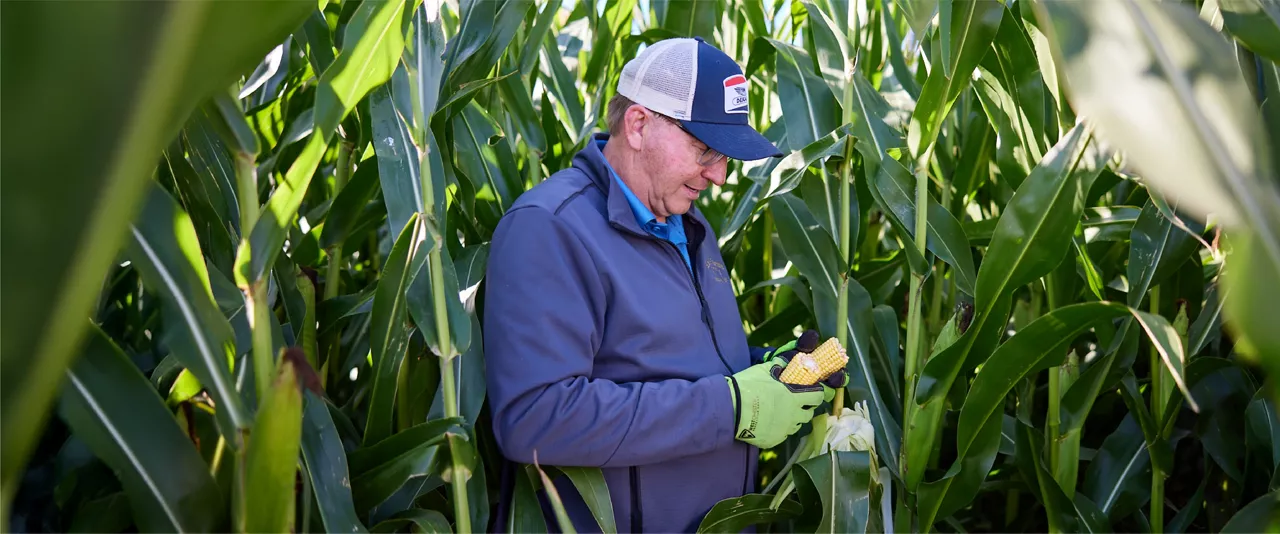
Invariably, the growing season will present you with challenges. Be ready to take them on! Your ability to identify these issues, stay flexible, and quickly adjust your crop protection plan is vital to your field health.
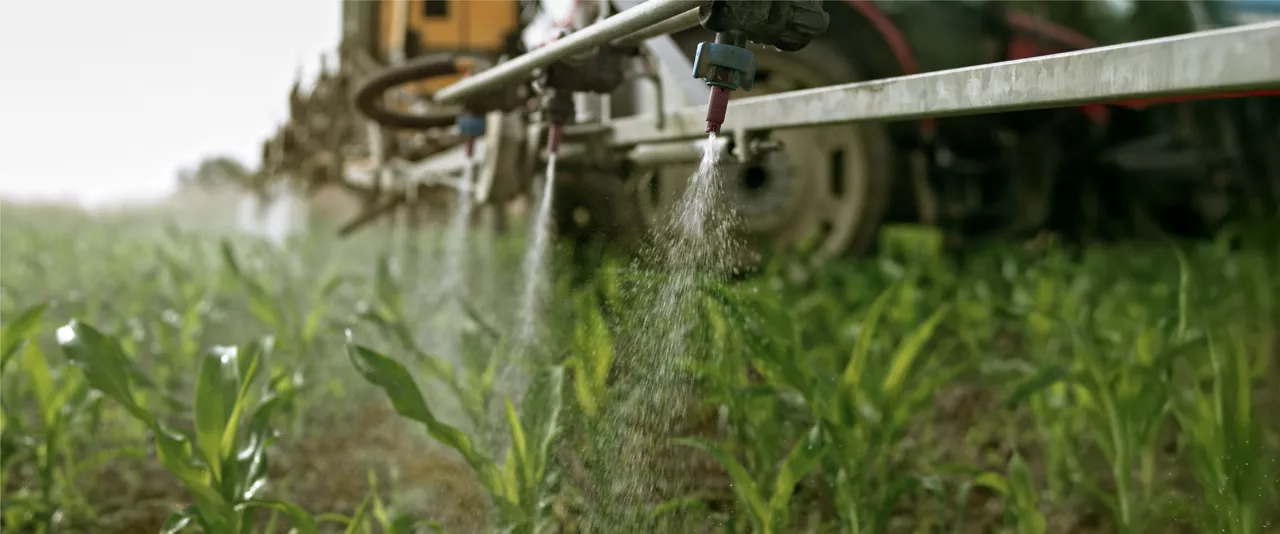
Sprayer applications are a critical part of your operation that often get overlooked when managing your crops. Climate FieldView™ tools can play a key role in tracking your herbicide schedule and, with field health imagery, provide you with data to help determine whether fungicide and insecticide applications may be necessary during the growing season. Climate FieldView can also give you an accurate comparison of yield versus inputs to help you measure return on investment for your sprayer applications.
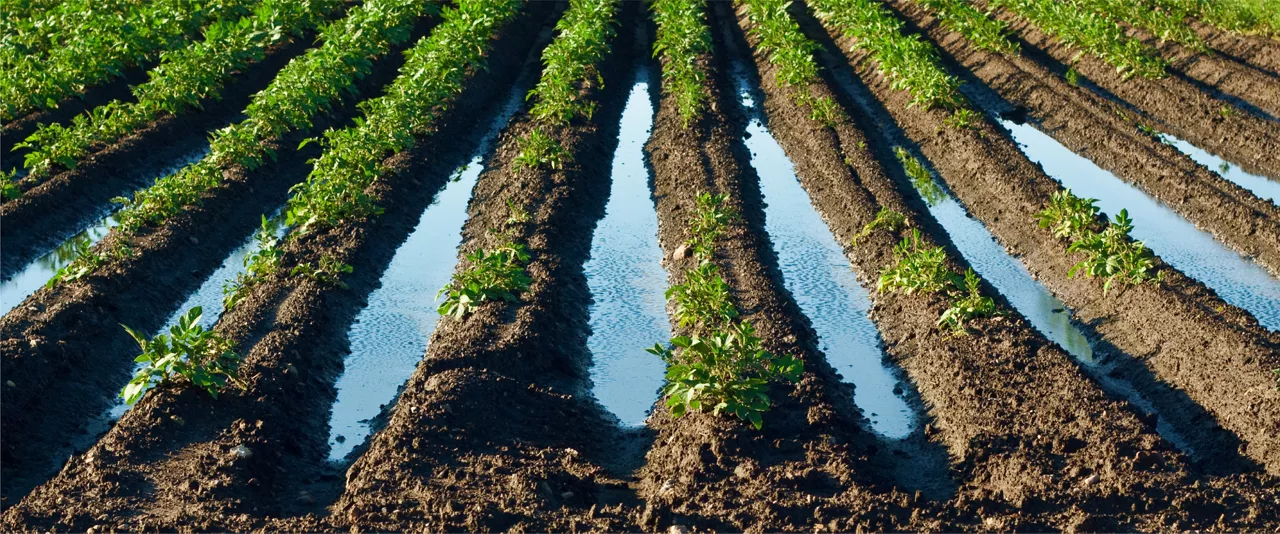
Due to abnormal weather conditions, spring planting is starting out as a challenge for many Ontario farmers. Stay on top of these ever-changing weather patterns and what it means to your fields by utilizing Climate FieldView monitoring tools and resources.
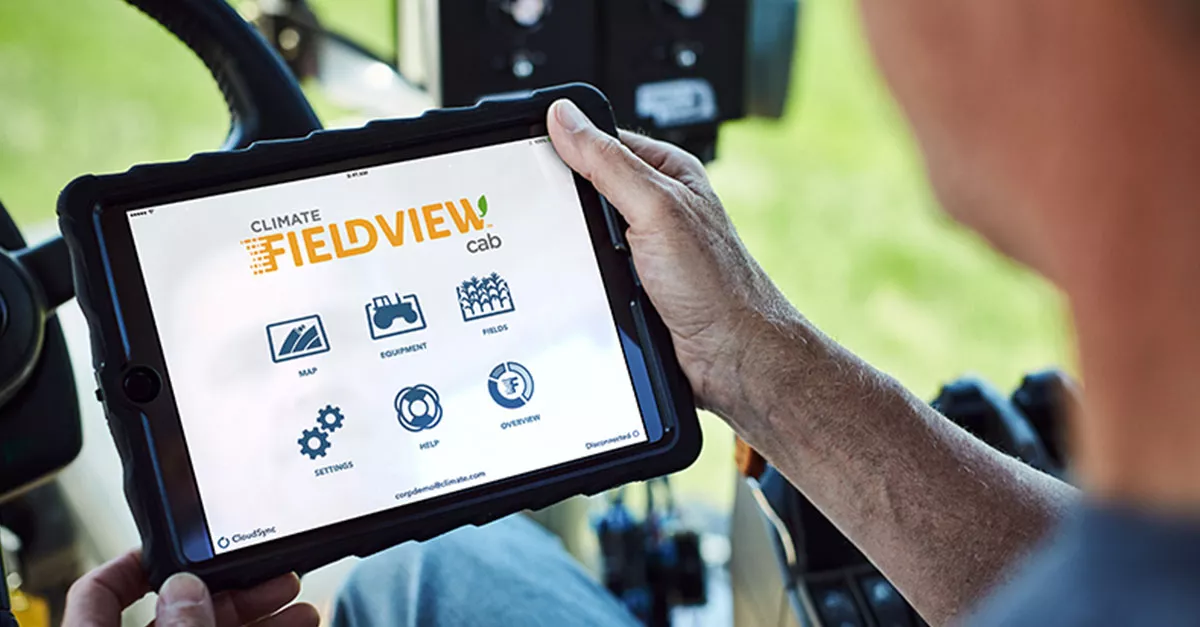
Laying the groundwork for a successful harvest requires detailed preparation at planting, and your expertise and attention throughout the year. More than ever, farmers are making the most of every acre by using digital agriculture tools to simplify field data management, better analyze seed performance and maximize their returns with planting prescriptions.
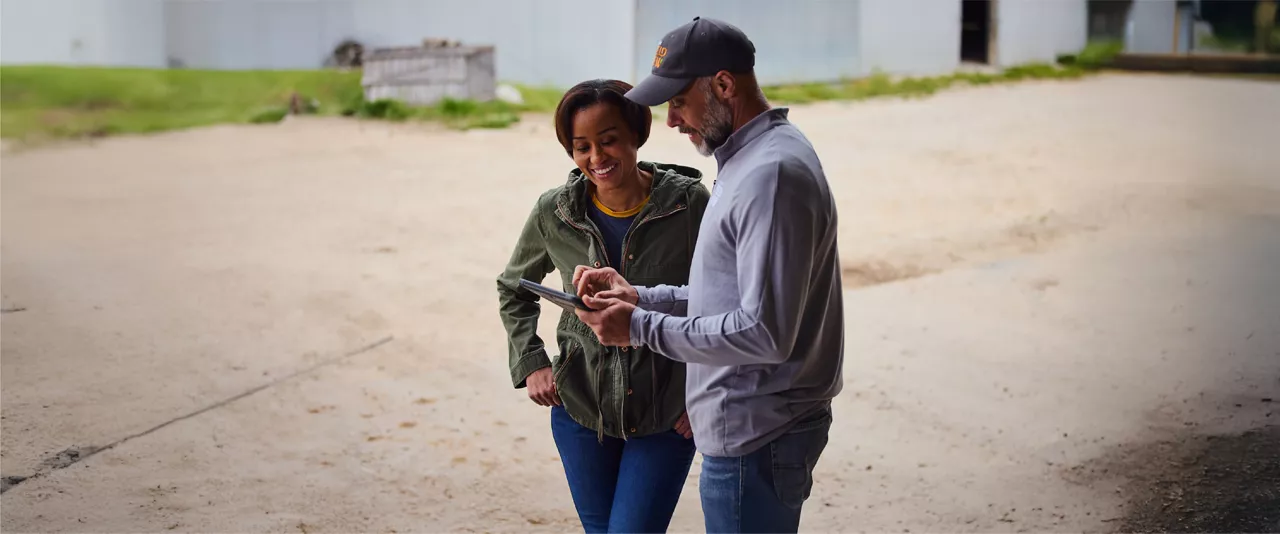
FieldView™ will help you get your data in one place, uncover valuable field insights and optimize your inputs, to support the decisions you make every day throughout the growing season. Here is some helpful information to make sure you have a productive spring — and beyond.
Personalized Plans
Easy Installation
Full Support